
Compare Massachusetts Electricity Rates
Find lower rates from DPU-licensed suppliers. Compare plans across all Massachusetts utilities and switch online.
Massachusetts residential electricity rates average 30.5¢/kWh, supply and delivery combined (EIA.gov). The cheapest fixed 12-month plan listed today, monthly fees included, is 15.5¢/kWh from Clearview Energy in Eversource's Western and Central Massachusetts (WCMA) rate zone, the lowest of its 2. Supplier prices cover supply only; delivery is billed separately by your utility.
Check rates in your area
Any U.S. ZIP code works
Enter your ZIP code to see available plans. Free to use, no obligation.
- Average rates
- U.S. Energy Information Administration
- Supplier offers and prices to compare
- PowerKiosk, as of November 25, 2026
- Federal figures
- Refreshed weekly, last November 23, 2026
- Regulator
- Massachusetts Department of Public Utilities (DPU)
Supplier choice
Can you choose your electricity supplier in Massachusetts?
Yes. Massachusetts electricity is deregulated under the Electric Utility Restructuring Act (1997). You choose your supplier (Constellation, Direct Energy, Clearview Energy, Inspire, etc.) while your utility (Eversource or National Grid) delivers the power. All suppliers are MA DPU-licensed.
Compare like with like
A supplier's price covers supply only, so compare it with your utility's price to compare (its basic service rate), the default supply rate you pay if you never switch. The state average from EIA includes delivery, which your utility bills separately whichever supplier you pick.
- Grid operator
- ISO New England (ISO-NE)
- Supplier licensing
- MA DPU-licensed suppliers
Massachusetts electricity rates
- State average · U.S. EIA
- 30.5¢/kWh incl. delivery
- Cheapest fixed 12-month plan today
- 15.5¢/kWh supply only
- Clearview Energy, Eversource's Western and Central Massachusetts (WCMA) rate zone, the lowest of its 2, monthly fees included; 3% below its utility's price to compare
Your utility and the switching gap
What switching could save in Massachusetts
The statewide average is 30.5¢ per kWh (U.S. EIA). The cheapest fixed 12-month plan listed on ElectricRates.org today is 15.5¢ per kWh in Eversource's Western and Central Massachusetts (WCMA) rate zone, the lowest of its 2. That average includes delivery. Supplier prices cover supply only, so each utility below is measured against its own price to compare.
Prices as of November 25, 2026 · refreshed daily
Eversource, National Grid, and National Grid (Nantucket Electric) deliver electricity to Massachusetts homes. Your utility is determined by your address; you choose the supplier.
- 2 rate zones
Eversource
Boston Metro, North Shore, South Shore, Cape Cod, Western Massachusetts
- Price to compare
- 15.9¢
- Since November 1, 2026
- Cheapest 12-month fixed plan
- from 15.5¢
- Clearview Energy · lowest of 2 rate zones, against that zone's price to compare
Compare Eversource plans−0.4¢ per kWh vs. price to compare
$4 a month less at 1,000 kWh (3% below)
- 8 fixed offers
National Grid
Worcester, Central MA, North Shore, Cape Cod
- Price to compare
- 17.2¢
- Since November 1, 2026
- Cheapest 12-month fixed plan
- 16.0¢
- Constellation Energy
Compare National Grid plans−1.2¢ per kWh vs. price to compare
$12 a month less at 1,000 kWh (7% below)
- 6 fixed offers
National Grid Nantucket
Nantucket Island
- Price to compare
- 17.2¢
- Since November 1, 2026
- Cheapest 12-month fixed plan
- 16.3¢
- Clearview Energy
Compare National Grid Nantucket plans−0.9¢ per kWh vs. price to compare
$9 a month less at 1,000 kWh (5% below)
Massachusetts electric utilities and their price to compare
Supply only, at 1,000 kWh a month · November 25, 2026| Utility | Price to compare | Cheapest fixed plan | Difference |
|---|---|---|---|
| EversourceWestern and Central Massachusetts (WCMA) rate zone | 15.9¢ | 15.5¢12-month term | −0.4¢$4 a month less |
| EversourceNortheast Massachusetts and Boston; Southeast Massachusetts (NEMA, SEMA) rate zone | 17.3¢ | 15.9¢12-month term | −1.4¢$14 a month less |
| National Grid | 17.2¢ | 16.0¢12-month term | −1.2¢$12 a month less |
| National Grid Nantucket | 17.2¢ | 16.3¢12-month term | −0.9¢$9 a month less |
15.5¢
−0.4¢
Northeast Massachusetts and Boston; Southeast Massachusetts (NEMA, SEMA) rate zone
Price to compare 17.3¢ · 12-month fixed
15.9¢
−1.4¢
Price to compare 17.2¢ · 12-month fixed
16.0¢
−1.2¢
Price to compare 17.2¢ · 12-month fixed
16.3¢
−0.9¢
Statewide average: U.S. Energy Information Administration (EIA). Plan prices: offers listed on ElectricRates.org from the PowerKiosk utility and supplier rate database, updated daily. Cheapest fixed plan is the lowest rate at 1,000 kWh a month on a 12-month term, or the nearest term between 6 and 24 months where no 12-month plan is listed, monthly fees included. Prices in ¢ per kWh, supply only. Prices as of November 25, 2026. How we source rates
Current offers
Lowest supplier rates for Eversource customers
Fixed-rate plans ranked by price for Eversource residential customers in its Northeast Massachusetts and Boston; Southeast Massachusetts (NEMA, SEMA) rate zone at 1,000 kWh a month, monthly fees included. Updated November 25, 2026. Rates differ by utility and rate zone, so check your ZIP if Eversource's Northeast Massachusetts and Boston; Southeast Massachusetts (NEMA, SEMA) zone isn't yours.
| Supplier / plan | Rate | Term | Plan type |
|---|---|---|---|
| Clearview EnergyClearGuarantee12Plus | 15.9¢/kWhincl. $9.99/mo feeCheapest 12-month fixed | 12 mo | Fixed |
| Clearview EnergyClearGuarantee24Plus | 16.3¢/kWhincl. $9.99/mo fee | 24 mo | Fixed |
| Clearview EnergyClearCharge12 | 16.3¢/kWh | 12 mo | Fixed |
| Clearview EnergyClearGuarantee12 | 16.3¢/kWh | 12 mo | Fixed |
| Constellation Energy12 Month Home Power Plan | 16.3¢/kWh | 12 mo | Fixed |
| Clearview EnergyClearGuarantee24 | 16.7¢/kWh | 24 mo | Fixed |
| Constellation Energy12 Month Green Home Power Plan | 16.9¢/kWh | 12 mo | Fixed · 100% renewable |
| Clearview EnergyClearCharge12Plus | 17.3¢/kWhincl. $9.99/mo fee | 12 mo | Fixed |
Clearview Energy
ClearGuarantee12Plus
12 mo · Fixed
Cheapest 12-month fixed
15.9¢/kWhincl. $9.99/mo feeClearview Energy
ClearGuarantee24Plus
24 mo · Fixed
16.3¢/kWhincl. $9.99/mo feeClearview Energy
ClearCharge12
12 mo · Fixed
16.3¢/kWhClearview Energy
ClearGuarantee12
12 mo · Fixed
16.3¢/kWhConstellation Energy
12 Month Home Power Plan
12 mo · Fixed
16.3¢/kWhClearview Energy
ClearGuarantee24
24 mo · Fixed
16.7¢/kWhConstellation Energy
12 Month Green Home Power Plan
12 mo · Fixed · 100% renewable
16.9¢/kWhClearview Energy
ClearCharge12Plus
12 mo · Fixed
17.3¢/kWhincl. $9.99/mo fee
Rates from MA DPU-licensed suppliers. Verify rates ↗
Check Your RatesPrice to compare
17.3¢/kWh
Eversource default supply rate in its Northeast Massachusetts and Boston; Southeast Massachusetts (NEMA, SEMA) rate zone, since November 1, 2026
Supplier prices cover supply only; delivery is billed separately by your utility. A plan saves money only when its rate is below the price to compare.
Today's offers against 17.3¢
7 of 8
fixed offers listed today are below Eversource's price to compare. The cheapest 12-month fixed plan, 15.9¢, is 1.4¢ below it.
- Price to compare at 1,000 kWh
- $173 a month
- Cheapest 12-month fixed at 1,000 kWh
- $159 a month
Supply only. Offers change daily; other Massachusetts utilities are in the cards above.
Get an alert when Massachusetts rates change →How switching works
How Smart Enroll works
Smart Enroll monitors rates from DPU-licensed suppliers like Constellation, Direct Energy, and Clearview Energy daily and switches you when a rate beats your utility’s price, so you don’t have to track prices yourself.
Step 1
Enter your info
Your ZIP code and utility account number. We look up the rate you pay now.
Step 2
Rates monitored daily
We track every DPU-licensed supplier in your area. When better rates appear, we find them.
Step 3
Switched when a lower rate appears
When a supplier's rate beats your utility's price, Smart Enroll switches you. Your utility keeps delivering your power.
Your utility still handles everything else
Eversource and National Grid continue to deliver your power, read your meter, and respond to outages. Only your supplier changes, and only when it saves you money.
Suppliers
Massachusetts electricity suppliers
All suppliers must be licensed by the Massachusetts DPU. Enter your ZIP code above to see current rates for Eversource or National Grid customers.
Major suppliers
Leading MA DPU-licensed electricity suppliers serving Massachusetts include:
- Constellation Energy · Fixed rates, renewable options
- Direct Energy · Budget billing, variable plans
- North American Power · Fixed and green plans
Green energy options
Suppliers offering 100% renewable electricity:
- Clearview Energy · 100% renewable options
- Inspire Clean Energy · 100% clean energy
- Green Mountain Energy · Renewable plans
Bill help
Help with your Massachusetts bill and your switch
- Electricity suppliers in MassachusettsThe DPU-licensed suppliers serving Massachusetts and the plans they offer
- Can't find your account number?Step-by-step guide for Eversource and National Grid bills
- Help paying your electric billLIHEAP, utility hardship programs and payment plans
- Business electricity?Get a free commercial rate quote from our energy team
Ranking
Massachusetts electricity rates against other states
Average residential rates from the U.S. EIA. These averages include delivery. Massachusetts supplier offers cover supply only, so compare them with your utility's price to compare (its basic service rate).
- Residential
- 30.5¢/kWh
- +67.8% vs. the U.S. average (18.2¢)
- Commercial
- 24.1¢/kWh
- Industrial 20.0¢, all sectors 26.4¢
- Rank by price
- 3rd highest
- of the 50 states and DC
Most expensive
- 1Hawaii47.2¢
- 2Maine32.1¢
- 3Massachusetts30.5¢
- 4California29.8¢
- 5Alaska29.4¢
Most affordable
- 51Nevada12.7¢
- 50Louisiana12.9¢
- 48Utah13.3¢
- 48North Dakota13.3¢
- 46Idaho13.4¢
Rank 1 is the most expensive of the 50 states and DC; states that show the same rate share a rank. Residential averages, U.S. Energy Information Administration, August 2026.
Trend
How Massachusetts rates have changed
Over ten years, Massachusetts rates grew faster than the national average: +5.4% a year against +3.5%. Same-month comparisons from EIA's monthly series, so seasonal swings do not distort the trend.
- Change over the past 12 months
- −0.4%
- U.S. +3.1%
- Five years, annualized
- +6.6%
- U.S. +5.5% a year
- Ten years, annualized
- +5.4%
- U.S. +3.5% a year
- Since 2001, annualized
- +3.8%
- U.S. +3.4% a year
EIA Electric Power Monthly, average retail price to residential customers, by month. The right-hand figures are the latest month.
EIA Electric Power Monthly, average retail price to residential customers, by month. The right-hand figures are the latest month.
Massachusetts homes paid 11.9¢ per kWh in January 2001 and 30.5¢ in August 2026, +157.0% over 26 years (+3.8% a year), faster than the U.S. average's +3.4% a year.
Month by month, the last twelve months
| Month | ¢ per kWh | vs. U.S. | kWh per home |
|---|---|---|---|
| Aug 2026 | 30.48 | +67.8% | 774 |
| Jul 2026 | 30.49 | +66.5% | 738 |
| Jun 2026 | 29.61 | +61.4% | 576 |
| May 2026 | 28.82 | +56.3% | 474 |
| Apr 2026 | 29.45 | +56.2% | 491 |
| Mar 2026 | 30.21 | +62.4% | 594 |
| Feb 2026 | 30.46 | +72.6% | 705 |
| Jan 2026 | 31.16 | +78.6% | 717 |
| Dec 2025 | 30.88 | +79.1% | 642 |
| Nov 2025 | 31.22 | +75.6% | 487 |
| Oct 2025 | 31.37 | +74.6% | 494 |
| Sep 2025 | 30.41 | +68.2% | 545 |
Rate alert
Know when Massachusetts's rate changes
One email when EIA publishes a new month: the rate, the change, nothing else.
Rate cases
Rate cases before the Massachusetts Department of Public Utilities
No residential base-rate case was pending before the Massachusetts Department of Public Utilities, or closed in the last 24 months, when this was researched on October 18, 2026.
Utility rates
What Massachusetts's ten largest utilities charged, 2025
Average residential rate at each utility in 2025, its revenue divided by its kWh sales, from EIA Form 861, supply and delivery together. NSTAR Electric Company serves the most homes, 45.1% of Massachusetts's residential customers, at 21.5¢ per kWh against the Massachusetts average of 30.4¢.
Average residential rate at Massachusetts's largest utilities, 2025
Bars above the state average are red, below it green. The full list ranks all 20 utilities with at least 1,000 residential customers with each one's bill, usage and one-year change: Massachusetts electric utilities and their average rates.
Seasons
When Massachusetts bills peak
Massachusetts's residential rate over the last twelve reported months was highest in October 2025 (31.4¢) and lowest in May 2026 (28.8¢). Usage per home peaked in August 2026. Massachusetts homes use 31.1% less than the U.S. average amount of electricity, and average bill is 16.1% more than the national $158.
- Heating degree days, Nov 2025 to Oct 2026
- 6,363
- −0.7% vs. normal (6,407)
- Cooling degree days, same period
- 581
- +28.5% vs. normal (452)
- Homes heating with electricity
- 18.6%
- 52% with utility gas (ACS 2024)
- Average use per home
- 604 kWh
- a month; 31.1% less than the U.S. 876 kWh
Degree days measure how far daily temperatures ran from 65°F, weighted by where people live: more heating degree days means more furnace and heat-pump demand, more cooling degree days means more air conditioning. NOAA Climate Prediction Center, population-weighted state values, November 2025 to October 2026.
Grid
Where Massachusetts's electricity comes from
In 2025, natural gas produced 81.3% of the electricity generated in Massachusetts. Fossil fuels supplied 83.2% and renewables 17.0%. EPA's eGRID puts the state's grid at 822 pounds of CO₂ per megawatt-hour (2023).
- Natural gas81.3%
- Solar10.1%
- Hydro3.7%
- Petroleum2.0%
- Other biomass1.9%
- Other1.9%
- All other sources1.2%
All other sources: wind 0.8%, wood & wood waste 0.4%. Shares total 102.1% of net generation because pumped-storage hydro consumes more power than it produces, which EIA counts as negative generation.
Grid operator: ISO New England (ISO-NE). Shares are of total net generation in the state (20,700 GWh in 2025); power also crosses state lines, so what a home consumes can differ from what the state generates.
- Fossil fuels
- 83.2%
- coal, natural gas, petroleum
- Renewables
- 17.0%
- wind, solar, hydro, geothermal, biomass
- Carbon-free, including nuclear
- 17.0%
- no nuclear generation
- Pounds of CO₂ per MWh, 2023
- 822
- EPA eGRID output emission rate
Outages
How often the power goes out
In 2025, the average Massachusetts customer went without power for a total of 121 minutes, counting major storms, and had 0.9 interruptions on average. Leaving out major event days, the totals were 75 minutes and 0.7 interruptions, the better measure of day-to-day grid condition. Your utility handles outages whichever supplier you choose.
Outage minutes (SAIDI, the System Average Interruption Duration Index) and interruptions (SAIFI, the System Average Interruption Frequency Index) as utilities report them to EIA on Form 861, totals for 2025.
- Excluding major events
- 75 min
- 0.7 interruptions a year
- All events, including storms
- 121 min
- 0.9 interruptions a year
Movers
Moving to Massachusetts? What changes on your electric bill
About 152,000 people moved to Massachusetts from other states in 2024 while about 182,000 left, a net loss of about 31,000. The largest group came from New York, where the residential rate is 28.6¢ per kWh; they will find Massachusetts rates 6.4% more than what they paid.
- Moved in from other states
- 151,762
- Moved out to other states
- 182,315
- Net change
- −30,553
Where new arrivals came from
| From | People | Massachusetts vs. there |
|---|---|---|
| New York | 18,697 | +6.4% |
| Rhode Island | 15,235 | +8.2% |
| California | 13,810 | +2.5% |
| New Hampshire | 11,286 | +10.3% |
| Florida | 10,580 | +103.3% |
Where people who left went
| To | People | There vs. Massachusetts |
|---|---|---|
| Florida | 21,834 | −50.8% |
| New Hampshire | 20,310 | −9.3% |
| New York | 17,862 | −6.0% |
| California | 15,720 | −2.4% |
| Connecticut | 11,612 | −19.6% |
American Community Survey 1-year estimates, 2024; the largest flow carries a 90% margin of error of about ±16%. Rates are each state's latest EIA residential average (August 2026). Moving within Massachusetts? Your new address decides your utility and its price to compare; check rates for the new ZIP.
Neighbors
Massachusetts compared with its neighbors
- Massachusetts · the 3rd highest in the U.S.30.5¢
- Vermont · Massachusetts is 27.9% higher23.8¢
- Connecticut · Massachusetts is 24.4% higher24.5¢
- New Hampshire · Massachusetts is 10.3% higher27.6¢
- Rhode Island · Massachusetts is 8.2% higher28.2¢
- New York · Massachusetts is 6.4% higher28.6¢
Residential rates for August 2026 in Massachusetts and every state that shares a border with it, neighbors cheapest first. EIA.
Household costs
What Massachusetts households report paying
In the Census Bureau's 2024 American Community Survey, the median Massachusetts household billed for electricity reported about $155 a month, and 36.3% reported $200 or more. Against a median household income of $103,960, electricity takes about 1.8% of income.
- Median monthly electricity cost, self-reported
- $155
- ACS 2024
- Households paying $200+ a month
- 36.3%
- ACS 2024
- Electricity as share of median income
- 1.8%
- median household income $103,960
- Federal LIHEAP funds, fiscal 2025
- $135.1M
- 819,440 income-eligible households (2023)
Median interpolated within the survey's cost bands (ACS B25132) and divided by median household income (B19013); self-reported costs run higher than utility billing data, so compare across states rather than against the EIA figures above. LIHEAP reaches households through the state agency and local offices as heating or cooling credits, crisis payments and weatherization; allotments by fiscal year: 2025 $135,117,490, 2024 $130,453,598, 2023 $218,489,132. Help paying your electric bill.
Cities
Massachusetts cities
Each city page lists the utility that serves it and the plans offered there. Largest cities first.
Massachusetts guides
What to know about your Massachusetts power bill

State guide
Boston Electricity Rates: Eversource Service & Choice Guide
Boston electricity guide. Eversource rates, Boston Community Choice Electricity program, competitive suppliers, and savings tips for your electric bill.
11 min read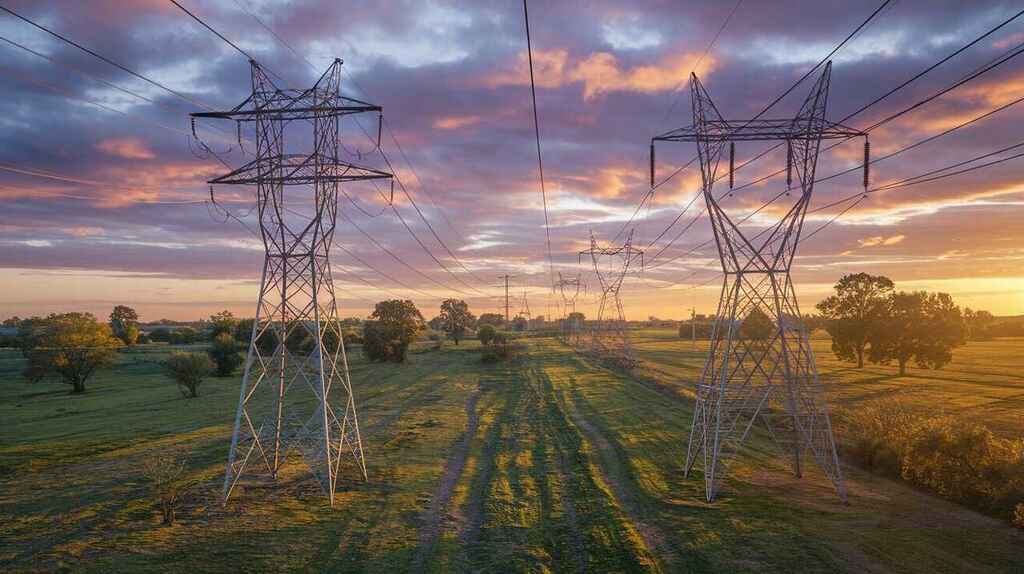
Deregulation
Deregulated Electricity States: The Full List of 18 (2026)
18 states plus Washington D.C. have deregulated electricity. See the full list, where you can pick your supplier, how energy choice works, and how to switch.
13 min read
How-to
Best Time to Switch Electricity Providers: Rate Timing Guide
Master electricity supplier switch timing. Recent wholesale rate patterns show when TX, OH, PA, MA rates are lowest for maximum savings on your electric bill.
14 min read
Consumer protection
Door-to-Door Electricity Scams: Red Flags & Protection Guide
Protect yourself from door-to-door electricity scams. Red flags, legitimate vs scam tactics, your legal rights, and how to report suspicious sellers.
9 min read
Massachusetts energy guides
Learn about electricity in Massachusetts
Comparing rates, switching suppliers, and avoiding scams.
Massachusetts Electricity Choice: Compare & Switch
Most MA switchers paid MORE than Basic Service. Massachusetts electricity deregulation lets you choose suppliers—but compare carefully.
7 min read · Read complete guide →- Consumer protection · 8 min readHelp Paying Your Electric Bill: Programs by StateStruggling to pay your electric bill? LIHEAP, utility hardship programs, and payment plans can help. State-by-state guide to assistance options.
- Energy efficiency · 7 min readPower Surges: How to Protect Your Electronics (2026)Power surges damage $26 billion in electronics annually. Learn what causes them, which devices are most vulnerable, and how surge protectors actually work.
- Consumer protection · 14 min readEnergy Robocall Scams: How to Identify & Block Them 2026Identify and protect yourself from energy robocall scams. FCC regulations, AI voice cloning threats, and how to safer alternatives to phone-based shopping.
- Consumer protection · 11 min readVerify Electricity Supplier License: PUCO, PA PUC, DPU GuideVerify electricity supplier licenses through PUCO, PA PUC, MA DPU. Check certifications, read reviews, and how to avoid fraudulent energy companies safely.
- Massachusetts energy · 11 min readMA DPU Consumer Protection: Massachusetts Utility GuideHow MA DPU protects Massachusetts electricity consumers. File complaints, verify supplier licenses, understand rights, and how to handle utility disputes today.
- Consumer protection · 12 min readHow to Avoid Electricity Scams: Door-to-Door Fraud GuideIdentify and avoid electricity scams: door-to-door fraud, slamming, fake utility calls, and payment scams. Report all scammers to PUCO, PA PUC, or the MA DPU.
Grade your Massachusetts electric bill
Compare what you pay with every plan sold in your ZIP today. Free, no signup.
Sources
Where these figures come from and how current they are
Figures refresh automatically every week from the sources listed; none of these figures is typed in by hand. Rates are statewide averages of what utilities actually billed (revenue divided by sales), so they include supply and delivery but not taxes or fees billed separately. Supplier offers and prices to compare come from the PowerKiosk rate database and refresh daily.
Published by ElectricRates.org, an electricity comparison service for households in Massachusetts, New Jersey, Ohio, Pennsylvania, Texas and Washington DC. ElectricRates.org compiles the Massachusetts figures from the federal sources listed; the utility, deposit and assistance guidance is researched from the linked utility, regulator and agency pages and checked claim by claim against them.
- EIA Electric Power Monthly, retail sales by state and sectorThrough August 2026 · refreshed November 23, 2026
- EIA electric power operational data, net generation by fuelThrough 2025 · refreshed November 23, 2026
- NOAA Climate Prediction Center, population-weighted state degree daysThrough October 2026 · refreshed November 23, 2026
- EIA Electric Power Annual, Table 11.3 reliability metrics by stateThrough 2025 · refreshed November 23, 2026
- EPA eGRID state output emission ratesThrough eGRID2023 (revision 2) · refreshed November 23, 2026
- U.S. Census Bureau, ACS 1-year state-to-state migration flowsThrough 2024 · refreshed November 23, 2026
- U.S. Census Bureau, ACS 5-year table B25040 (house heating fuel)Through 2024 · refreshed November 23, 2026
- U.S. Census Bureau, ACS 5-year tables B25132, B25133, B25135 and B19013Through 2024 · refreshed November 23, 2026
- HHS Administration for Children and Families, LIHEAP funding and household dataThrough 2025 · refreshed November 23, 2026
- PowerKiosk utility and supplier rate database (prices to compare, offers)Daily · as of November 25, 2026
- Regulator and grid-operator detailsChecked October 15, 2026
Questions
Questions people ask about switching suppliers in Massachusetts
- Free to compare
- Same reliability
- No interruption
Can I switch my electricity supplier?
Yes, you can switch electricity suppliers in deregulated states.
- Ohio, Pennsylvania, Massachusetts, New Jersey, Washington DC, and Texas allow electricity choice
- Your utility still delivers power (same wires, same reliability)
- Only your generation rate changes, nothing else
Why didn't I know about this?
Utilities aren't required to promote switching, so most people miss it.
- Your utility's price to compare is printed on your bill
- Your utility delivers your power whichever supplier you pick
- Switching is optional, so no one is required to tell you about it
What if I'm already with a supplier?
You can still benefit. Check if better rates are available.
- Check your current rate and contract end date
- Compare to available plans in your area
- Switch now if savings exceed any fees
Are there early termination fees?
Some plans do. We show each plan's cancellation fee before you enroll.
- Check your current contract before switching
- We display each plan's early termination fee up front
- Many plans have no fee; filter for $0-ETF options
How do you make money?
Suppliers pay us a commission; you pay nothing.
- No setup fees
- No monthly fees
- No hidden charges
Will switching affect my power reliability?
No. Your utility still delivers power and handles outages.
- Same wires, same service quality
- Only the generation company changes
- Utility responds to outages regardless of supplier
How long does switching take?
Switching takes 1 to 2 billing cycles with zero interruption.
- New rate starts at next meter read
- Power stays on the entire time
- No service disruption whatsoever
What happens after I compare rates?
Select a plan and complete enrollment. Process varies by state.
- Enter your ZIP to see available plans
- Choose the best plan for your usage
- Visit your state page for enrollment details
Still have questions?
Send us your question about switching, your bill or enrolling.
Massachusetts electric utilitiesEnergy Switch MA guideBest electricity suppliers in MassachusettsElectricity rates by state
Compare plans
Know your electricity rate
Compare plans for your ZIP code.
Any U.S. ZIP code works