Quick Answer
A power surge lasts microseconds but can destroy electronics instantly. Lightning, utility switching, and even your AC compressor create surges. The right protection costs $20-300 and saves thousands in damaged devices.
Table of contents
Live Texas Rates · September 2026
Top 3 flat-rate plans run 13.3¢–13.6¢/kWh.
⚠ Lowest advertised: 6.6¢/kWhBill-credit plans — only cheap near 1,000 kWh usage. Above or below that, you pay much more.
Rates shown are all-in: energy and TDU delivery charges included. Live data from ComparePower API at Oncor (Dallas), 1,000 kWh reference usage.
Shopping for power in Ohio? See live rates from every supplier on our Ohio electricity rates page.
What Is a Power Surge?
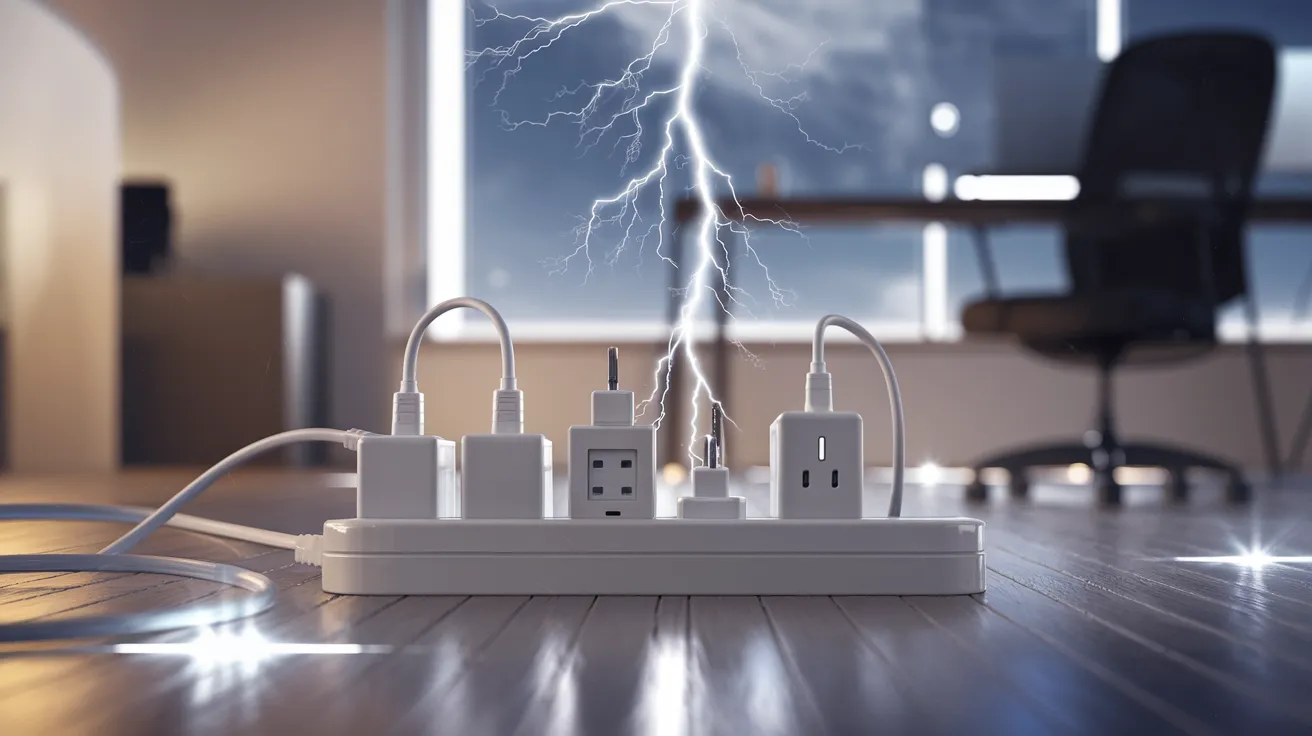
A power surge is a brief spike in voltage above the standard 120 volts delivered to your outlets. Surges last anywhere from a few microseconds to several milliseconds—but that is enough to fry sensitive electronics.
Your home's wiring is designed for 120V. A surge pushes 150V, 300V, or even thousands of volts through that same wiring. Modern electronics—computers, TVs, routers, smart home devices—use delicate microprocessors that cannot tolerate voltage spikes.
The Institute of Electrical and Electronics Engineers (IEEE) estimates that transient voltage surges cause billions in electronic equipment damage annually.[1] Most homeowners never connect the dots. A router that dies after a storm. A TV that stops working for no reason. Often, a surge killed it days or weeks before the failure became visible.
What Causes Power Surges
Lightning gets the headlines, but it causes less than 5% of surges. The real culprits are closer to home.
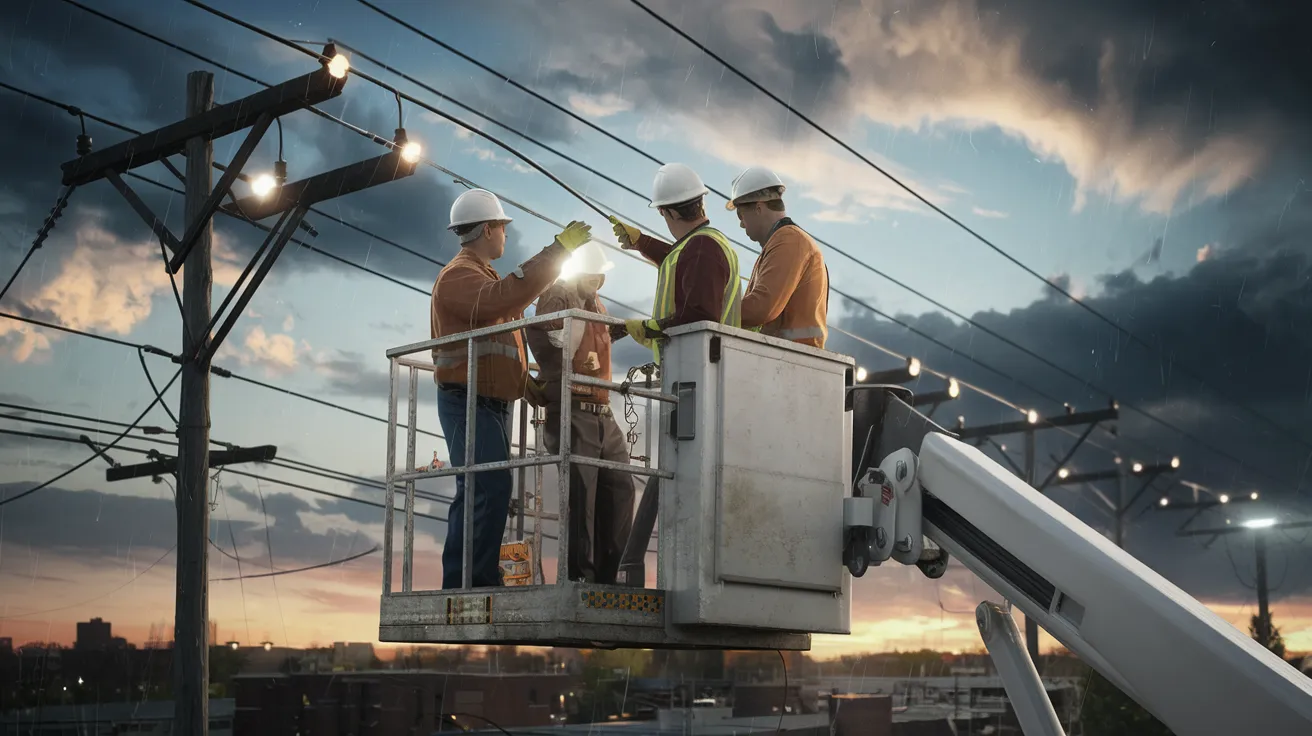
Utility grid switching — When your utility reroutes power during maintenance or after an outage, voltage fluctuations ripple through the grid. This is the most common external cause.
Large appliance cycling — Your AC compressor, refrigerator, and dryer draw massive startup current. When they kick on, they pull voltage from other circuits, then release it. This creates small surges dozens of times per day.
Downed power lines — A tree branch on a line can send irregular voltage into your neighborhood.
Faulty wiring — Old or damaged wiring creates resistance points where voltage spikes occur.
Most homes experience 20+ small surges daily. Each one slightly degrades your electronics.
Which Devices Are Most Vulnerable
The more sophisticated the electronics, the more vulnerable they are to surges.
Highest risk:
- Computers and laptops — Microprocessors are extremely sensitive
- Routers and modems — Run 24/7, constantly exposed
- Smart TVs and streaming devices — Complex circuitry
- Gaming consoles — GPUs and processors worth hundreds
- Smart home hubs — Always connected, always vulnerable
Moderate risk:
- Refrigerators with digital controls
- Washing machines and dryers with electronic boards
- Microwave ovens
Lower risk:
- Simple appliances with basic motors (fans, older vacuums)
- Incandescent lights
- Basic space heaters
The total replacement cost of vulnerable electronics in an average home exceeds $5,000-$10,000. A single bad surge can take out multiple devices simultaneously.
Types of Surge Protectors and How They Work
Surge protectors divert excess voltage to the ground wire before it reaches your devices. They use components called Metal Oxide Varistors (MOVs) that absorb voltage spikes.
Power strip surge protectors ($15-50) — Plug into wall outlets. Protect whatever is plugged into them. Look for a joule rating of 2,000+ and a UL 1449 listing. Replace every 3-5 years—MOVs degrade with each surge.
Whole-house surge protectors ($200-500 installed) — Mounted at your electrical panel. Protect every circuit in your home from external surges (lightning, grid switching). Do not replace power strip protectors—use both.
UPS (Uninterruptible Power Supply) ($80-300) — Combines surge protection with battery backup. Essential for computers, NAS drives, and home security systems. Keeps devices running during momentary outages.
How to Choose the Right Surge Protection
Layer your protection. No single device stops every surge. The best strategy combines whole-house and point-of-use protection.
Step 1: Install a whole-house surge protector at your electrical panel. This catches large external surges from lightning and utility switching. Cost: $200-500 with electrician installation.
Step 2: Use power strip surge protectors at every electronics cluster—entertainment center, home office, networking equipment. Look for:
- Joule rating: 2,000+ (higher is better)
- Clamping voltage: 400V or lower
- Response time: under 1 nanosecond
- UL 1449 3rd Edition certification
Step 3: Add a UPS for your computer and router. A $100 UPS protects $2,000+ in equipment and prevents data loss during outages.
Replace surge protectors that have taken hits. Most have indicator lights showing protection status.
What to Do After a Power Surge
If you experience a visible surge—lights flicker, devices reset, or you hear a pop from your electrical panel—take these steps.
1. Unplug sensitive electronics until power stabilizes. More surges often follow the first one, especially during storms.
2. Check surge protectors. Look for the protection indicator light. If it is off or amber, the protector absorbed its last surge and needs replacement.
3. Test devices one at a time. Plug each device in separately. Some damage manifests as intermittent issues, not total failure.
4. Check your homeowner's insurance. Most policies cover surge damage to electronics and appliances. Document the surge event (storm date, utility outage records) and damaged items with photos and receipts.
5. Report to your utility if the surge came from the grid. Utilities may be liable for equipment damage caused by their infrastructure failures.
Insurance and Utility Liability for Surge Damage
Standard homeowner's and renter's insurance typically covers surge damage under personal property coverage. Lightning damage is explicitly covered in most policies. Utility-caused surges may fall under different provisions.
File a claim with your insurer for significant damage. Keep receipts for all damaged electronics. Your deductible applies—typically $500-$1,000.
Your utility may also be liable if a surge originated from their equipment failure. Contact your utility's claims department. You will need documentation: the date and time of the surge, a list of damaged items, and repair or replacement receipts.
Some utilities offer surge protection service plans for $5-15/month. These cover damage from grid-related surges up to a set limit. Read the terms—coverage amounts and exclusions vary. For most homes, a one-time $300 whole-house protector is a better investment than an ongoing monthly fee.
Frequently Asked Questions
Do surge protectors really work?
Can a power surge damage my refrigerator or HVAC system?
How often should I replace surge protectors?
Is a whole-house surge protector worth the cost?
Looking for more? Explore all our Energy Efficiency guides for more helpful resources.
About the author

Consumer Advocate
Enri knows the regulations, the fine print, and the tricks some suppliers use. He's spent years learning how to spot hidden fees, misleading teaser rates, and contracts that sound good but cost more. His goal: help people avoid the traps and find plans that save money.
Compare rates in your area

Is your bill an F?
Grade your electric bill A–F against live plans in your ZIP. 30 seconds, no signup.
Topics covered
Sources & References
- IEEE - Surge Protective Devices Committee (Institute of Electrical and Electronics Engineers): "Transient voltage surges cause billions of dollars in electronic equipment damage annually"Accessed Mar 2026
- NFPA - National Electrical Code (National Fire Protection Association): "NEC Article 242 requires surge protection for dwelling unit services"Accessed Mar 2026
- UL Standards (Underwriters Laboratories): "UL 1449 is the safety standard for surge protective devices"Accessed Mar 2026
- DOE - Home Energy Savings (U.S. Department of Energy): "DOE recommends layered surge protection combining whole-house and point-of-use devices"Accessed Mar 2026
Last updated: March 26, 2026