
Business Energy
Electricity solutions for businesses in deregulated markets. Demand charges are 30-70% of commercial bills based on peak 15-minute kW usage. AEP Ohio GS-2 rate class for 10-200 kW demand. PECO commercial includes $8-12/kW demand charges. Eversource G-2 for small commercial.

Renewable Energy Certificates for Business Owners
Renewable energy certificates let businesses claim verified clean power without installing a single panel. Understanding how RECs work, and how they connect to your electricity contract, can sharpen both your sustainability reporting and your procurement strategy.

Ancillary Services: What They Mean for Your Business Electric Bill
Ancillary services are the behind-the-scenes grid-stability functions that every electricity supplier and utility must procure, and their costs flow directly into what businesses pay for power. Understanding what ancillary services are, and how they appear on commercial bills across Texas, Ohio, Pennsylvania, Massachusetts, New Jersey, and Washington DC, helps owners compare supplier offers more accurately.

Electricity Tariff Prices for Business in 2026
Business electricity tariffs are built from more moving parts than most owners realize. Understanding each component, from demand charges to supply rates, is the first step toward controlling what your business pays.

Marginal Prices and Your Business Electric Bill
Marginal prices set the floor for what businesses pay for electricity in every deregulated market, yet most owners never see the term on their bill. Understanding how marginal pricing works, and when it works against you, is the first step toward controlling one of your largest operating costs.

PJM Capacity Auction: What Business Owners Need to Know in 2026
The PJM capacity auction determines a significant line item on every commercial electric bill in the mid-Atlantic and Midwest. Understanding how the auction works, what drove the 2026/27 results, and how suppliers price capacity into contracts can help business owners avoid bill shock and negotiate smarter.

Electricity Tariffs Explained for Business Owners (2026)
An electricity tariff is the full rulebook that determines what a business pays for power, covering not just the energy rate but customer charges, riders, and demand charges that can quietly dominate a monthly bill. In the six deregulated markets ElectricRates.org covers, the supply portion of that tariff is negotiable, the delivery portion is not. Understanding the difference is where real savings begin.

What Is Power Factor Correction for Business Electricity?
Power factor correction is a technique that brings a building's electrical load closer to its theoretical maximum efficiency, reducing the reactive power that utilities measure and sometimes bill separately. For small and medium businesses in deregulated states like Texas, Ohio, Pennsylvania, Massachusetts, New Jersey, and Washington DC, a poor power factor can quietly inflate demand charges every month. Understanding the concept is the first step toward controlling it.

LOA Meaning in Business Electricity Contracts
An LOA, or Letter of Authorization, is the document a business signs to let an electricity supplier or broker access its utility account data and switch its service. Without a valid LOA, no competitive supplier can act on a business's behalf in any of the six deregulated markets.

Retail Electricity Provider: A 2026 Business Guide
In deregulated markets, a retail electricity provider sells the supply portion of your business electricity bill, and choosing the right one can meaningfully change what you pay. This guide covers how REPs work across all six markets ElectricRates.org serves, what commercial contracts actually contain, and how to compare offers without getting burned.

Load Factor Electrical: What It Means for Your Business Bill
Load factor is the ratio of a business's average electricity demand to its peak demand over a billing period. A higher load factor signals steadier consumption, which typically translates to lower demand charges and a more predictable electricity bill for commercial customers in deregulated markets.
Commercial Electricity Rate Classes: GS-1, GS-2, GS-3 Explained
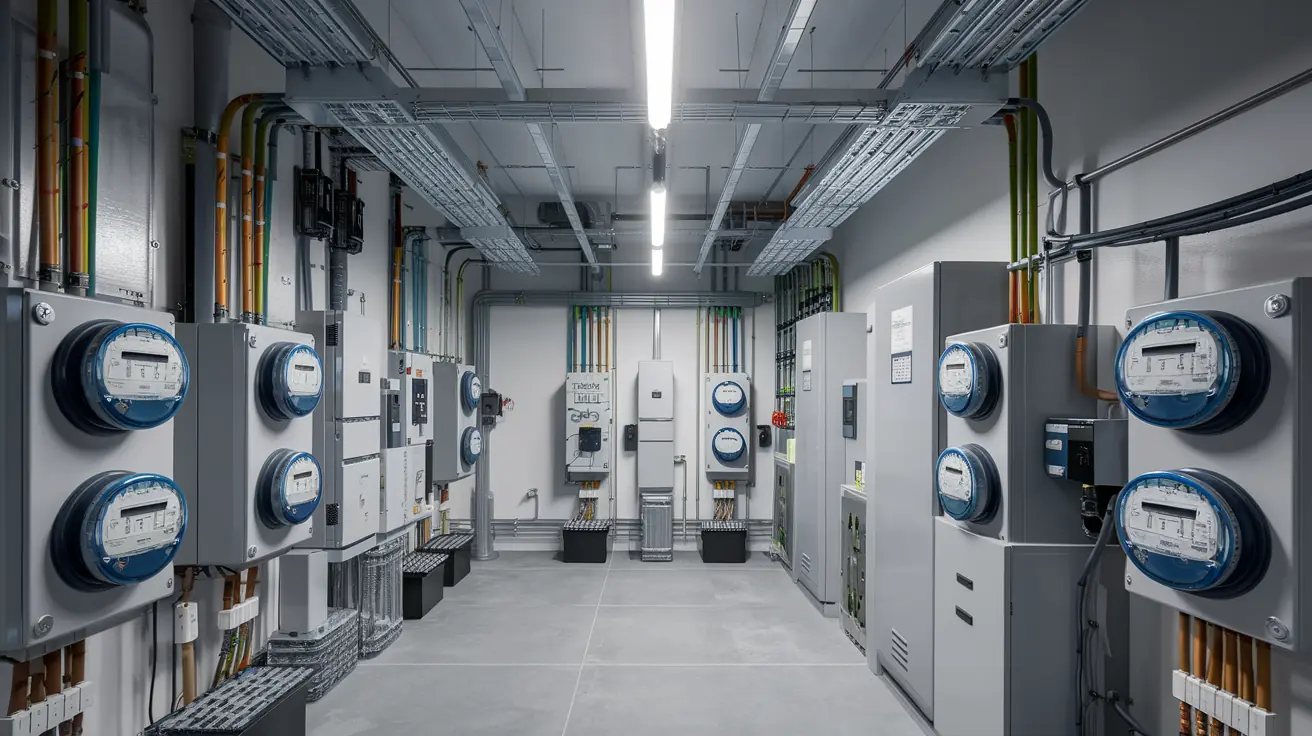
Commercial rate classes (GS-1 for <10kW, GS-2 for 10-200kW, GS-3 for 200kW+) determine base charges and demand rates. AEP Ohio GS-2 demand charge: $8.50/kW. PECO General Service rate includes $12.40/kW demand. Most small businesses qualify for GS-2. Wrong rate class costs businesses 15-25% more. Verify your rate class on ElectricRates.org.
Power Factor Penalty Explained: How to Cut 5-15% Off Bills
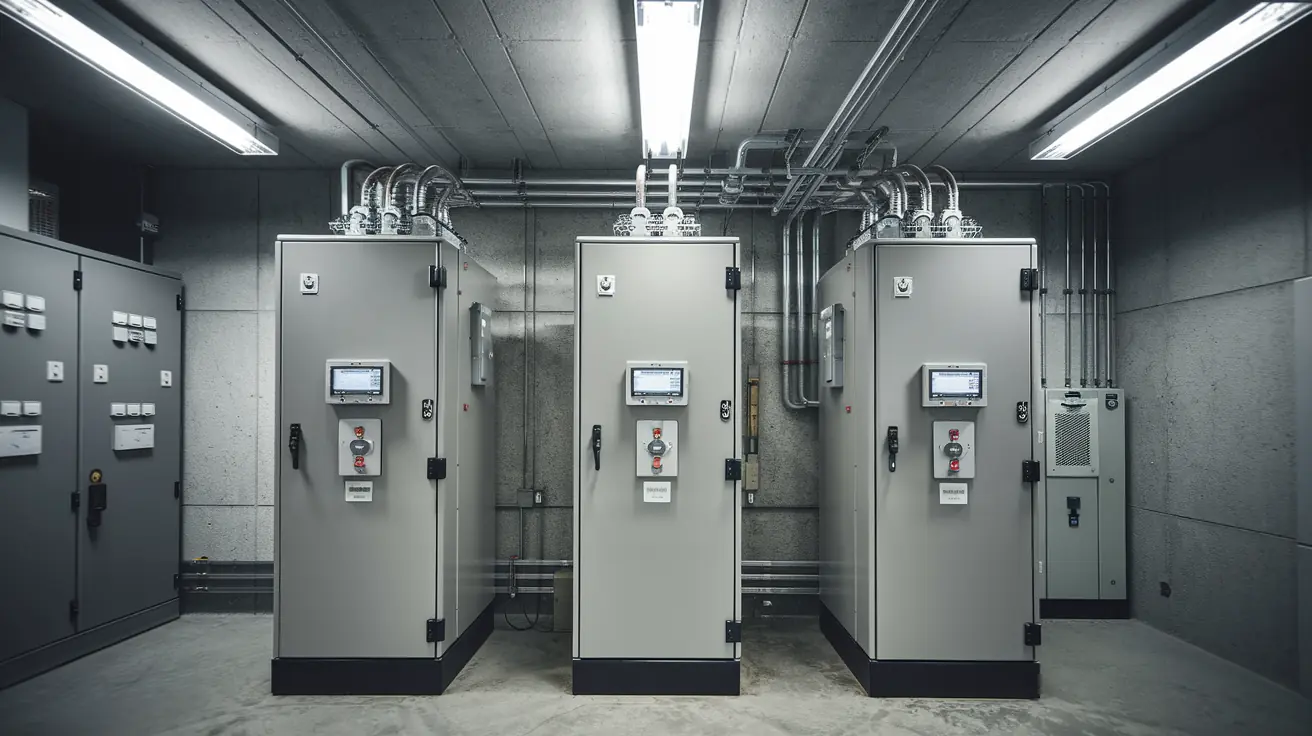
Power factor measures electrical efficiency (0-1.0 scale). Utilities penalize power factor below 0.85-0.90. Common causes: motors, VFDs, fluorescent lighting. Penalties add 5-15% to commercial bills. Capacitor banks correct power factor for $50-150/kVAR. Typical payback: 12-24 months. Check your power factor on ElectricRates.org.
Stop overpaying for electricity
See what you could save in 30 seconds
Free comparison • No commitment • Takes 30 seconds