New Jersey Energy
Your guide to New Jersey electricity choice. The NJ Board of Public Utilities (NJBPU) oversees a competitive supply market across four utilities: PSE&G, JCP&L, Atlantic City Electric, and Rockland Electric. Your utility always delivers the power and handles outages; only the supply portion changes. Basic Generation Service (BGS) is the default supply rate, reset each February by statewide auction. As of June 2026, BGS runs from about 14.6¢/kWh (JCP&L) to 19.9¢/kWh (PSE&G). Compare suppliers on ElectricRates.org.
Trenton Electric Company & NJ Electricity Rates Guide
PSE&G serves Trenton as the local electric utility, and its Basic Generation Service rate sits at roughly 19.9 cents per kWh as of June 2026. Competitive suppliers in the area start around 17.6 cents, which works out to about 11% savings on the supply portion of your bill. Whether switching makes sense depends on your usage, your tolerance for variable rates, and which offers are live right now.
Camden Electric Company: Rates & Suppliers Guide
Camden residents are served by Atlantic City Electric, whose Basic Generation Service rate sits at roughly 18.2 cents per kWh as of June 2026. Competitive suppliers currently offer supply as low as about 16.7 cents, a potential 8 percent savings on the supply portion of your bill. Whether that gap is worth acting on depends on your usage and the contract terms you choose.
Toms River Electric Company & Electricity Rates Guide
JCP&L (Jersey Central Power & Light) is the electric company for Toms River, NJ, handling delivery for every home and business in town. As of June 2026, JCP&L's Basic Generation Service rate sits at about 14.6 cents per kWh, which is actually lower than most competitive supplier offers in the territory, meaning the default rate is the better deal for most residents right now.

Lakewood Electric Company & NJ Electricity Rates
JCP&L (Jersey Central Power & Light) is the electric company for Lakewood, NJ. As of June 2026, JCP&L's Basic Generation Service rate is lower than most competitive supplier offers, so shopping carefully matters more than shopping fast.

Newark Electric Company & Electricity Rates Guide
PSE&G is Newark's electric utility, and its Basic Generation Service rate sits at roughly 19.9 cents per kWh as of June 2026. Competitive suppliers in PSE&G territory are currently beating that rate by about 11 percent on the supply portion of the bill, making Newark one of the better markets in New Jersey for shoppers right now.
Jersey City Electric Company: Rates & Suppliers Guide
PSE&G is the electric company for Jersey City, and as of June 2026 its Basic Generation Service rate sits at roughly 19.9 cents per kWh, one of the higher default rates in New Jersey. Competitive suppliers currently offer supply rates as low as 17.6 cents, which works out to about 11 percent savings on the supply portion of the bill. Knowing how that split works is the first step toward a lower electric bill.

NJ Electric Supplier Scams: How to Spot and Avoid Them
New Jersey's deregulated electricity market gives residents a real chance to save money on supply costs, but it also opens the door to deceptive practices by a small number of bad-actor suppliers. Slamming, misleading door-to-door pitches, and hidden variable rates are the most common traps. Knowing how these schemes work is the fastest way to avoid them.
NJ Basic Generation Service: What It Is & What You Pay
Every New Jersey electric customer who hasn't chosen a competitive supplier gets Basic Generation Service, the default supply rate set by an annual wholesale auction overseen by the NJ Board of Public Utilities. Depending on your utility, that default rate may be higher, lower, or roughly equal to what a third-party supplier will offer you today.
Help With Your Electric Bill in NJ: 5 Programs That Cut Costs
New Jersey residents who qualify for assistance programs can reduce or even eliminate past-due electric balances, but most people never apply because they don't know the programs exist. LIHEAP, the Universal Service Fund, NJ SHARES, and Fresh Start each target a different slice of the problem. Here's how they work and who qualifies.

Reading Your NJ Electric Bill Explained
A New Jersey electric bill is split into two distinct buckets: supply charges and delivery charges. Understanding which is which tells you exactly where your money goes and whether switching suppliers could lower your costs.
Rockland Electric Rates 2026: What NJ Customers Pay
Rockland Electric's Basic Generation Service rate sits at roughly 18.8 cents per kWh as of June 2026, yet almost no competitive suppliers are actively quoting RECO customers lower prices. For most households in its territory, staying on BGS is the practical move right now.

JCP&L Electricity Rates 2026: What NJ Customers Pay
JCP&L's Basic Generation Service rate sits at roughly 14.6 cents per kWh as of June 2026, making it the lowest BGS rate among New Jersey's major utilities. Every competitive supplier currently on the market charges more, so most JCP&L customers are already getting the best supply deal by doing nothing.
PSE&G Electricity Rates 2026: How to Cut 11% Off Your Supply Charge
A PSE&G bill splits into delivery and supply. Delivery never changes. The supply half, near 19.9¢/kWh on the default rate, is the part you can shop. The cheapest supplier offer right now runs about 17.6¢/kWh, roughly 11% lower.
Atlantic City Electric Rates in 2026: What You Pay and How to Pay Less
The default supply rate for Atlantic City Electric sits near 18.2¢/kWh in June 2026. A competitive supplier rate around 16.7¢ trims about 1.5¢ off every kilowatt-hour. At 1,000 kWh a month, that is roughly $15 saved.
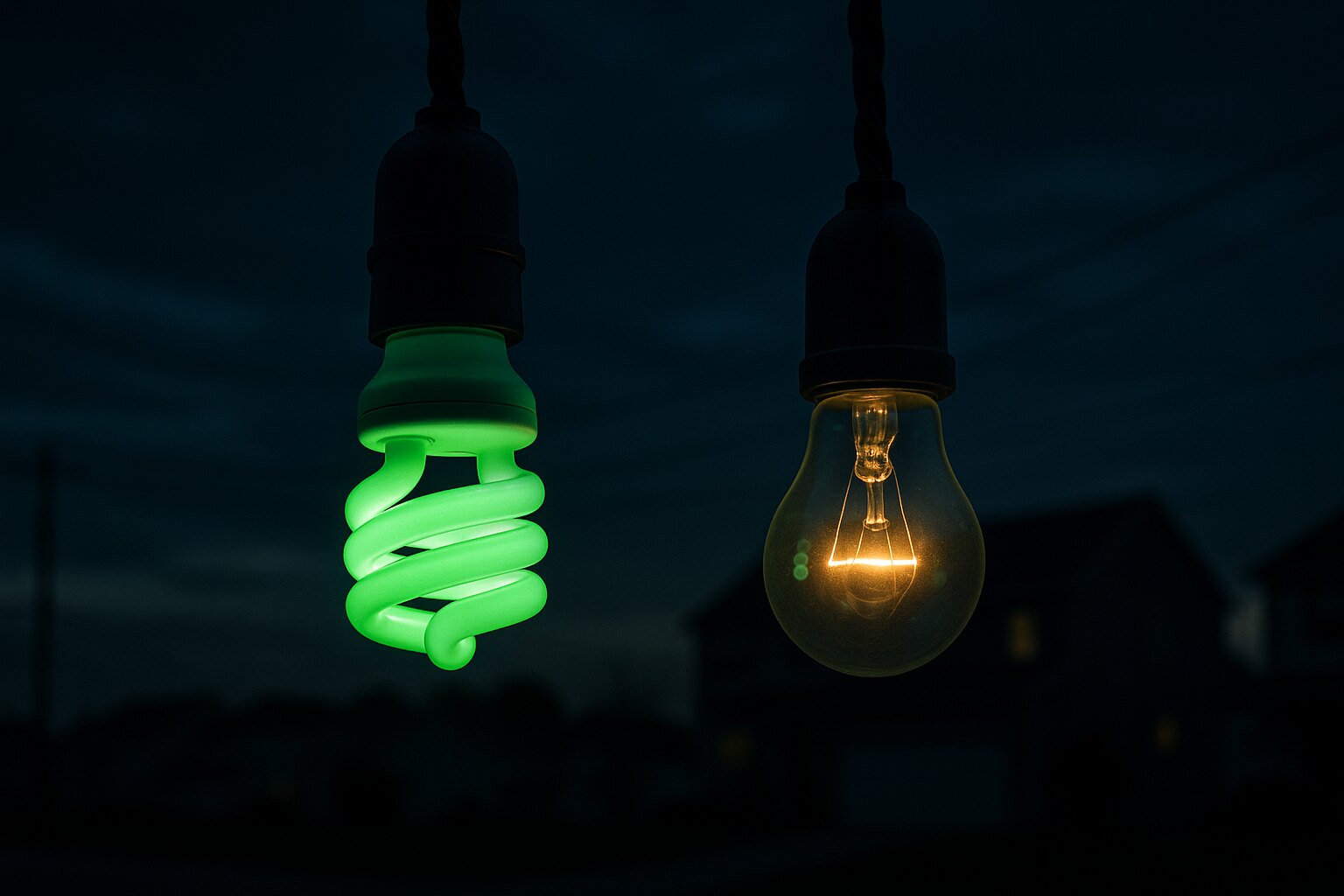
New Jersey Electricity Rates 2026: Who Should Switch and Who Should Stay
New Jersey supply rates split four ways in June 2026. PSE&G customers pay roughly 19.9¢/kWh and can shave 11% by switching the supply portion. Atlantic City Electric customers can trim about 8%. JCP&L and Rockland Electric customers are better off on the default rate right now. The honest answer depends on which utility delivers your power.
Stop overpaying for electricity
See what you could save in 30 seconds
Free comparison • No commitment • Takes 30 seconds