Understanding Deregulation
Demystifying electricity deregulation for everyday consumers. 17 states plus DC allow residential choice since Ohio SB 3 (1999), PA Act 138 (1996), and MA Restructuring Act (1997). Learn supply vs delivery charges, TDU/utility roles, and how FERC Order 888 enabled wholesale competition.
Electricity Cost Per kWh: How to Calculate Yours
The national average electricity cost is 17.91¢ per kWh, but your actual cost depends on your state, utility, and plan type. Here's how to calculate your real per-kWh cost and find out if you're overpaying.
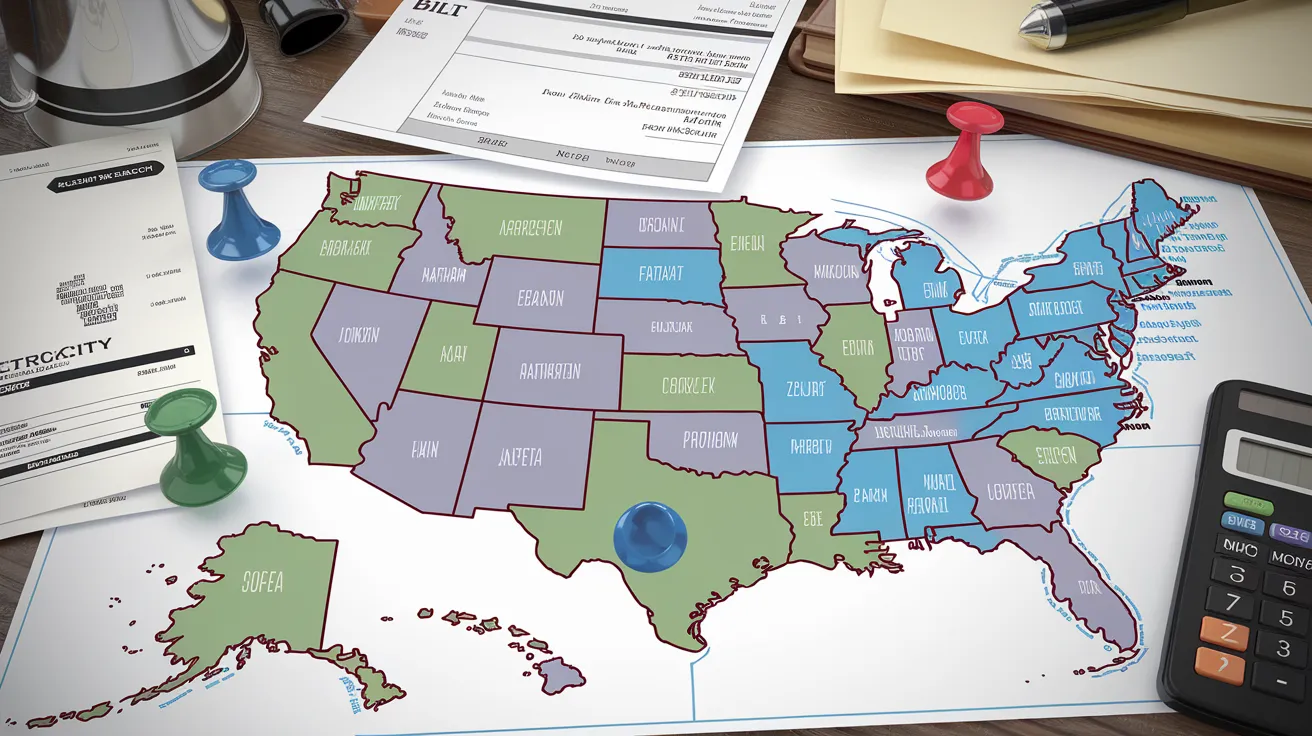
Electricity Rates by State (2026): Where Yours Ranks
The U.S. national average residential electricity rate is 17.91 cents per kWh in 2026 (EIA Electric Power Monthly, Table 5.6.B). State rates range from about 11 cents/kWh in North Dakota and Utah to roughly 41 cents/kWh in Hawaii. In deregulated states (Texas, Ohio, Pennsylvania, Massachusetts, New Jersey, and others), shopping for a competitive supplier saves 10-20% on the supply portion of your bill regardless of the state default rate.
kWh, Watts, Volts, Amps: Electricity Units Explained
Electricity bills measure usage in kilowatt-hours, but most people have no idea what a kWh actually represents. Understanding the relationship between watts, kilowatts, volts, and amps helps you make sense of your bill and find real ways to cut costs.
Kilowatt-Hour to Watt Conversion (With Examples)
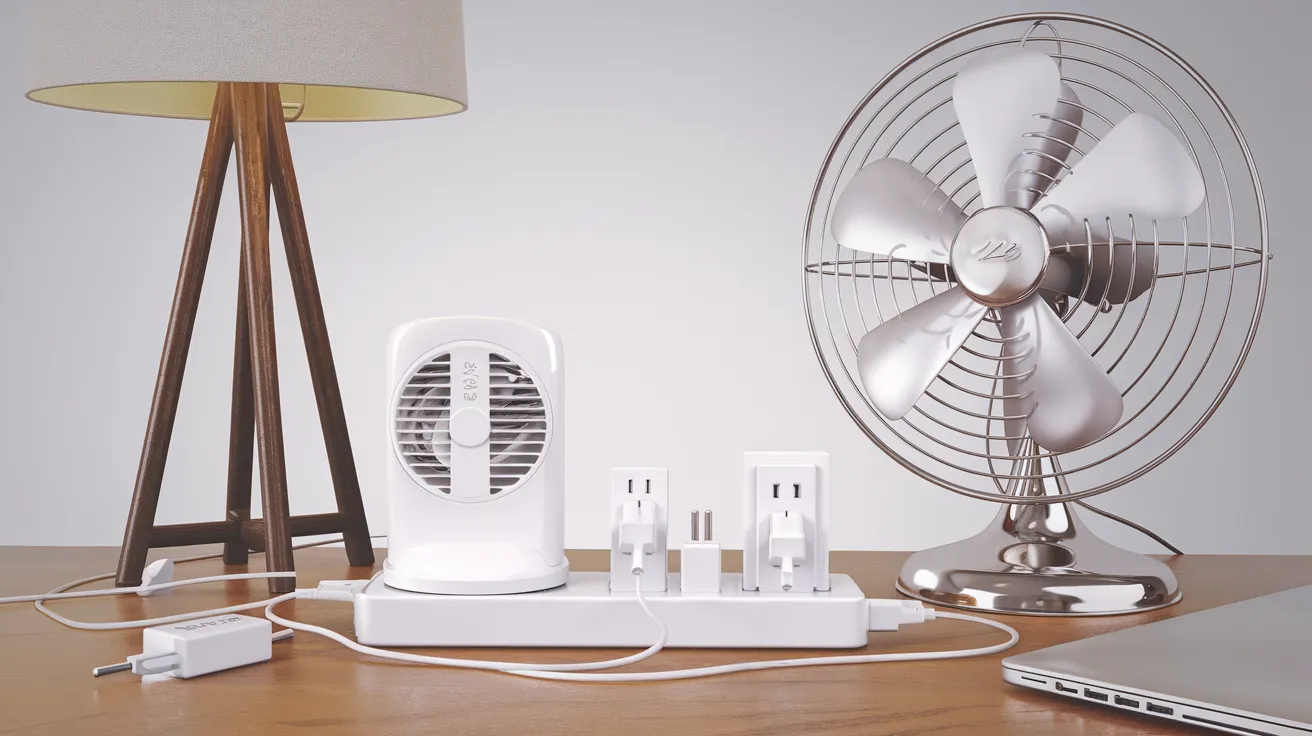
Converting between kilowatt-hours and watts is straightforward once you understand that watts measure power (rate) and kWh measure energy (total). The key formula: kWh = watts × hours ÷ 1,000. Here are practical examples for every scenario.

What Are Utilities? Types, Regulation, and How They Work
Utilities are companies that provide essential public services—electricity, natural gas, water, and sewage. Electric utilities specifically generate, transmit, and distribute power to homes and businesses. Understanding how they work helps you make smarter energy decisions.

What Is a Light Company? Utility vs Provider (2026)
People search for their "light company" when they need to pay a bill, report an outage, or start new service. The term dates back to when electric companies were literally called "light companies." In deregulated states, your light company might actually be two separate companies—one that delivers power and one that sells it.

Why Texas Electricity Rates Vary by ZIP Code: TDU Impact
Enter two Texas ZIP codes and get different rates for the same plan. Here is why your neighbor across town might pay more or less than you for identical electricity.

TDU Delivery Charges in Texas: Oncor, CenterPoint & More
TDU delivery charges add 3-5 cents per kWh to every Texas electricity bill. Here is what you are paying for and why these fees are the same regardless of which provider you choose.

TDU vs REP in Texas: Understanding Your Electric Bill Parts
Your Texas electric bill comes from your REP, but your power comes through your TDU. Understanding this split is the key to comparing plans and avoiding billing surprises.

Texas Electricity Contract Terms: What You Must Know First
Understand the fine print in Texas electricity contracts before committing to a plan.
Deregulated Electricity States: The Full List of 18 (2026)
18 U.S. states plus the District of Columbia have deregulated electricity markets where residents or businesses can choose their supplier: Texas, Ohio, Pennsylvania, Massachusetts, New York, New Jersey, Connecticut, Rhode Island, Maine, New Hampshire, Maryland, Delaware, Illinois, Michigan (limited), California (limited), Virginia (limited), Oregon (limited), Nevada (limited), plus Washington D.C. Texas operates on the ERCOT grid with 100+ retail electricity providers. Ohio, Pennsylvania, and Massachusetts operate on the PJM and ISO-NE grids with certified competitive suppliers. ElectricRates.org compares suppliers in TX, OH, PA, MA, NJ, and DC.

Regulated vs Deregulated Electricity: Market Guide 2026
Regulated states like Florida and Georgia have utility monopolies (FPL, Georgia Power). Deregulated states separate generation from delivery: Texas ERCOT, Ohio PUCO territory (AEP Ohio, Duke Energy, FirstEnergy), Pennsylvania PJM (PECO, PPL Electric), Massachusetts (Eversource, National Grid). Compare deregulated market rates on ElectricRates.org.
Electricity Contract Terms: What to Know Before Signing
Electricity ETFs range from $150-$395 flat fee or $20/remaining month. Ohio allows 7-day cancellation, Pennsylvania offers 3-day rescission, Massachusetts provides 3 business days. PA PUC Standard Offer Program offers 7% below Price to Compare with zero ETF. Fixed rates average 3.3% cheaper than variable. ElectricRates.org shows all contract terms upfront.
Supply vs Delivery Charges Explained (With Examples)
Supply charges (40-60% of your bill) cover electricity generation from AEP Ohio, Duke Energy, PECO, or Eversource. Delivery charges (40-60%) pay for utility infrastructure and stay fixed regardless of supplier. Only supply is shoppable in Ohio, Pennsylvania, Massachusetts, New Jersey, and Washington DC. ElectricRates.org shows savings potential on supply portion only.

Electricity Terms Glossary: 50+ Definitions Explained 2026
CRES (Competitive Retail Electric Service) is Ohio terminology. EGS (Electric Generation Supplier) is Pennsylvania. REP (Retail Electric Provider) is Texas. Price to Compare (PTC) is your utility's benchmark rate from AEP Ohio, PECO, or Eversource. SSO (Standard Service Offer) is Ohio's default rate. 50+ terms explained for ElectricRates.org comparison shopping.
Stop overpaying for electricity
See what you could save in 30 seconds
Free comparison • No commitment • Takes 30 seconds