Garland is served by Garland Power & Light, a regulated utility. It's owned by the city, not a competitive retail provider — which means there's no shopping around. Your rate is what the utility charges.
That's not always a bad thing. Muni rates are often more stable than the deregulated market's, and they don't carry the renewal-trap pricing that catches Houston and Dallas customers. But you also can't switch to a cheaper plan when your bill goes up — so it helps to understand what you're paying for.
Quick answer
You can't shop for electricity in Garland. Garland Power & Light is your only option — there's no retail competition here. Your rate is set by the City of Garland. If you want to lower your bill, the practical levers are usage reduction (efficient appliances, time-of-use awareness, weatherization rebates), payment plans, and any income-qualified assistance Garland Power & Light offers.
Looking for shoppable Texas areas instead? See Oncor and CenterPoint cities.
Garland is one of the few Dallas-area cities with its own electric utility, Garland Power & Light.
Most Garland homes get power from Garland Power & Light, the city-owned utility, so they can't pick a provider. Addresses on Oncor lines can. Check your address to see which applies.
City of Garland residents: You are served by Garland Power & Light, a city-owned utility. Your rates are set by the City Council, so there's no provider choice available.
Dallas County residents outside city limits: If you're served by Oncor (check your electric bill), you can shop for competitive rates. Enter your ZIP code below to check.
Your options
Look for your utility provider name. If it says Oncor, you can shop for rates. If it says Garland Power & Light, your rates are set by the city.
We'll identify your utility automatically. If you're in an Oncor area, you'll see competitive rates from multiple providers.
Oncor customers can compare plans and enroll online. Garland Power & Light customers should contact the city for rate information.
About Texas electricity choice: Texas deregulated its electricity market in 2002 — but Garland isn't part of that market. Most of the state's other large cities are. Learn how Texas electricity choice works and which cities can shop.
Your bill
Garland Power & Light offers rebates for efficient HVAC equipment, attic insulation, smart thermostats, and weatherization. These can knock $50–$1,000 off a project that lowers your bill for years.
Many muni utilities use tiered or time-of-use pricing. Shifting laundry, dishwashing, and EV charging out of late-afternoon hours can move usage into a cheaper tier.
Income-qualified residents may qualify for bill assistance, payment plans, or weatherization help. Call Garland Power & Light directly — these programs are real but rarely advertised.
Garland Power & Light customers can install solar and receive credit for what they send back to the grid. The economics differ from deregulated areas, so get a proposal that uses Garland-specific rates.
Moving
To start service, call Garland Power & Light directly — there's no online plan comparison because there's no plan to compare. You'll typically need your new address, move-in date, ID, and a Social Security number or deposit. Same-day or next-day connection is usually possible if you call before noon.
Other cities
Texas guides

State guide
Oncor delivery charges are 6.87¢ per kWh plus $4.06 a month, about $73 at 1,000 kWh. What they cover, why they seem high and what you can do.
8 min read
How-to
Compare 100% renewable Texas electricity plans with actual rates. Wind and solar options, what RECs really mean, and which green plans are worth the premium.
8 min read
Deregulation
Learn what Texas electricity contract terms mean including fixed rates, early termination fees, auto-renewal clauses, and how to minimum usage requirements.
8 min read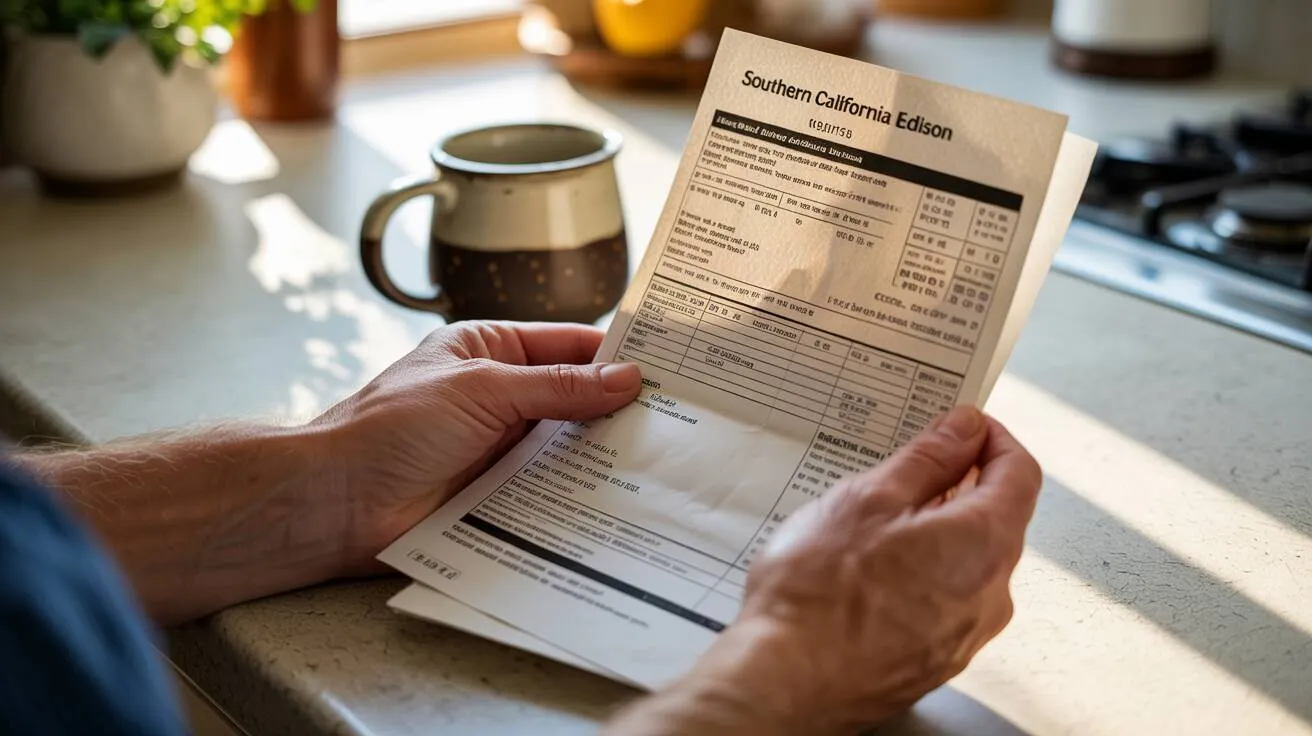
Energy efficiency
Complete guide to understanding your Texas electric bill. Learn about what TDU delivery charges, energy charges, and how to fees mean on your monthly statement.
8 min readQuestions
You don't — and that's the short answer most Garland residents don't get from search results. Garland is served by Garland Power & Light, a municipal utility, so the Texas deregulated retail market (the one most of the state uses under Senate Bill 7 and the Public Utility Commission of Texas) doesn't reach here. There's no Power to Choose comparison, no retail electric providers competing for your address, and no shopping around. Your rate is set by the city council or utility board. The practical move is to read your Garland Power & Light rate schedule directly and look for usage tiers, time-of-use options, or assistance programs the utility administers.
Garland Power & Light is the only option for Garland residents — there's no cheapest plan to pick because there's no plan competition. What you can control is usage: efficient HVAC and weatherization rebates from Garland Power & Light typically pay back faster here than in deregulated Texas, because rates are stable rather than promotional. Income-qualified customers can also ask Garland Power & Light about bill assistance and payment plans. If you're renting in Garland and your bill seems out of line, request the utility's rate schedule and check whether you're on the right tariff (residential, time-of-use, or all-electric) for how your home uses power.
Texas doesn't have a flat statewide rate. About 85% of the state runs on the ERCOT grid with deregulated retail competition under Senate Bill 7 — residents pick from 50+ PUCT-licensed providers. The other 15% (including Garland) sits in municipal, cooperative or other regulated-utility territory where the local utility, Garland Power & Light, sets the rate. That means your bill reflects Garland's generation mix, transmission costs, and operating expenses — not a competitive REP market. Rates here are typically more stable than ERCOT's deregulated market, but you can't shop your way to a lower price the way Houston, Dallas, or Fort Worth residents can.
Page content verified:
Check your address
Enter your ZIP code and we’ll tell you which utility serves it and whether you can pick a provider.
Any U.S. ZIP code works
