Quick Answer
High bill causes: rate increase (check Price to Compare on AEP Ohio, PECO, Eversource bills), phantom loads (10% of usage), inefficient HVAC, or billing errors. Request free home energy audit from AEP Ohio (1-800-672-2231), PECO, or Mass Save. Compare your current rate against 70+ suppliers on ElectricRates.org.
Why Your Bill Just Made You Swear
Jennifer opened her August bill and said a word her kids weren't supposed to hear.
$247. Last month was $142. Same apartment. Same habits. Same AC setting she'd used all summer.
"What changed?" she asked me.
Turns out: three things. Her supplier's promotional rate expired without notice. Her AC was working overtime because the filter hadn't been changed in four months. And her teenage son's gaming setup ran 24/7 while he was at camp.
Total stealth damage: $105.
High bills almost always come from one of six causes: temperature swings, rate increases you didn't notice, lifestyle changes, aging appliances, phantom loads from forgotten devices, or billing errors. Sometimes it's two or three at once.
Let's figure out which one's hitting you.
Your AC in July (The Math That Hurts)
Your central AC uses 3,000-5,000 watts per hour when it's running. That's not a typo.
During a heat wave, it runs all day. One brutal July can add $150 to your bill compared to a mild May. Some households see summer bills hit double or triple their baseline.
Winter's quieter but still expensive. Your furnace blower runs on electricity even if you heat with gas. Heat pumps work harder when it's cold. That space heater in your home office? Twenty cents an hour. Eight hours a day? $48 extra per month.
Add shorter days (more lights), holiday cooking, and house guests, and January bills sneak up on people too.
The diagnostic trick: Compare kWh month-to-month, not dollars.
kWh jumped but rate stayed flat? You're using more electricity.
kWh stayed flat but bill went up? Your rate increased.
Different problems. Different fixes.
The Silent Rate Increase
Nobody announces rate changes with a megaphone.
Ohio SSO rates change quarterly through PUCO auctions. Pennsylvania utilities adjust their Price to Compare four times a year. Massachusetts Basic Service shifts every six months. If you're on default rates, you ride along with no warning.
Got a competitive supplier? Watch closer. Variable rates change monthly. Fixed contracts expire and auto-renew at rates you didn't approve. Promotional periods end. That 5.9¢ intro rate? Now it's 11¢.
How to check: Pull your last three bills. Compare the cents per kWh in the supply section.
Jumped more than half a cent? On 1,000 kWh usage, that's $5 extra per month. A full cent increase? $10 per month. Two cents? $20.
Small rate changes create big bill changes.
Compare your current rate at ElectricRates.org. If you're paying more than the market, you'll know in sixty seconds.
Your 2001 Fridge Is Expensive
Major appliances account for 30% of your electricity. Old appliances account for more.
That fridge from 2001? Uses twice the electricity of a new ENERGY STAR model. Your HVAC loses efficiency every year as components wear and refrigerant drops. Window AC units from the mid-2000s have SEER ratings of 8 or 9. Modern minimum is 14. That's nearly half the efficiency.
Water heaters lose insulation over time. The tank works harder to stay hot. Your monthly bill reflects this effort.
I'm not saying replace everything. That's expensive. But if something's already dying, the efficiency gains from a new unit offset a chunk of the replacement cost.
Priority order:
1. HVAC (biggest impact)
2. Water heater
3. Refrigerator
Check the yellow EnergyGuide label on your current appliances. Compare those numbers to today's models. Sometimes the math makes the decision obvious.
When the Bill Is Just Wrong
Less common, but it happens. When it does, the numbers look insane.
Most common cause: estimated readings. The meter reader couldn't access your meter for a few months. They estimated low. Then the actual reading came, and you got a "catch-up" bill that made no sense. Check your bill. If it says "estimated" anywhere, that's your answer.
Smart meters malfunction too. Rare, but possible. Billing cycles vary. A 35-day cycle costs more than a 28-day cycle even with identical daily usage. Sometimes you're assigned the wrong rate class. Sometimes a discount you qualified for got dropped.
How to check: Walk to your meter. Read the number. Compare it to the kWh on your bill. If they don't match, call your utility.
You can request a meter test. In Ohio, Pennsylvania, and Massachusetts, utilities must investigate billing complaints. If they made an error, they have to correct it. With interest.
What Changed Three Months Ago?
Think back to when your bills started climbing. Something changed.
Started working from home? That's 8+ hours of computer, lights, and climate control you weren't using before. Estimates put the work-from-home cost at $40-60 extra per month.
New people in the house? Teenagers with gaming setups change consumption overnight. My nephew stayed for a month. Bill went up $35.
New equipment? Hot tubs pull serious power. Pool pumps. Electric vehicles. A cryptocurrency mining rig in your kid's room. (Yes, that happens.)
Home renovation? New circuits mean new loads.
Side business? Equipment running more hours.
The connection isn't always obvious. Bills climb gradually. Life changes gradually. But overlay the two timelines and patterns emerge.
When did the spike start? What happened that month? There's almost always something.
Fix It This Weekend
Step 1: Diagnose
Pull your last three bills. Compare kWh usage.
kWh went up → Usage problem
kWh stayed flat, cost rose → Rate problem
Step 2: If it's rates
Compare what you're paying at ElectricRates.org. Ohio, Pennsylvania, and Massachusetts customers find better rates by switching. Takes five minutes. Verify through Apples to Apples or PA Power Switch if you want official confirmation.
Step 3: If it's usage
Do a walkthrough tonight. What's running that shouldn't be? What's on standby? When did you last change the HVAC filter? (If you can't remember, change it now.)
Many utilities offer free home energy audits. Take them up on it.
Quick wins:
- Replace air filters monthly during heating/cooling season
- Smart power strips on entertainment centers
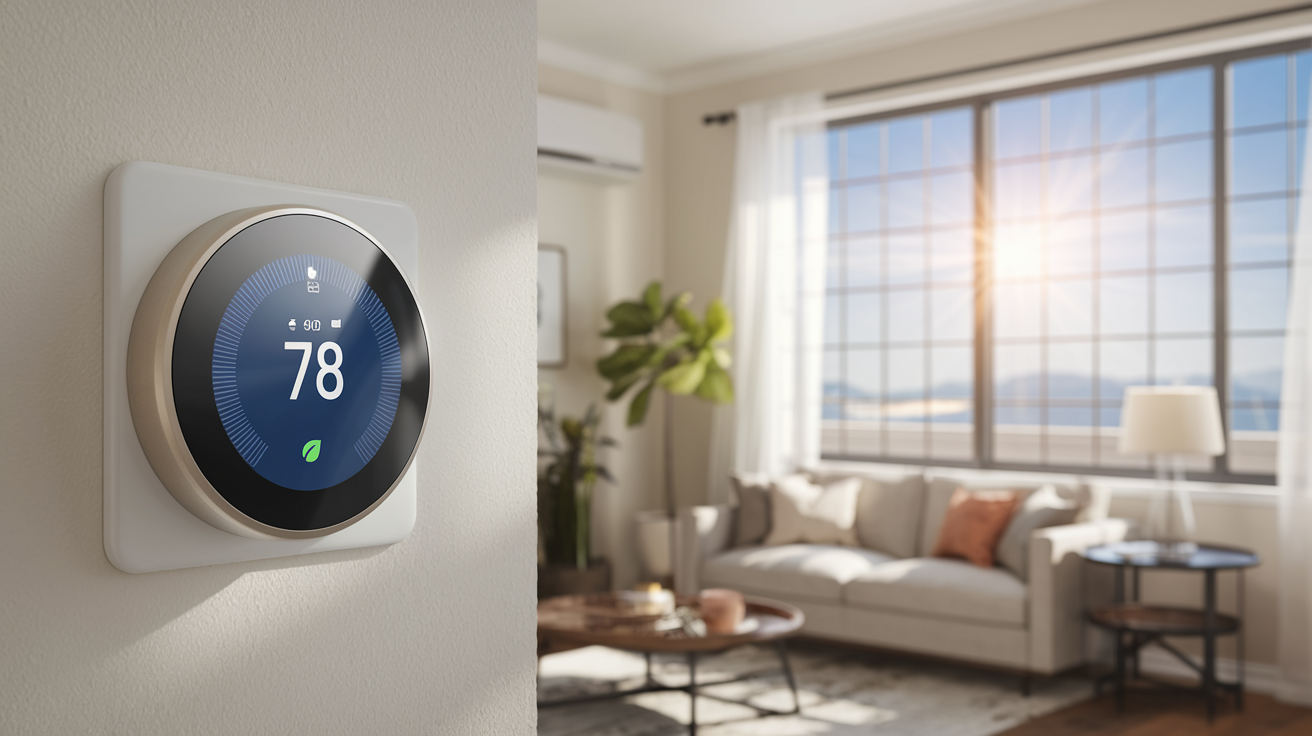
- Smart thermostat if you don't have one
Still doesn't make sense?
Request a meter test. Sometimes the equipment is just wrong.
Frequently Asked Questions
How can I tell if my high bill is from usage or rate increases?
What uses the most electricity in a typical home?
Should I request a meter test if my bill seems too high?
Can switching electricity suppliers lower my high bills?
What is the average electricity bill in Texas, Ohio, Pennsylvania, and Massachusetts?
Do smart home devices increase electricity bills?
Looking for more? Explore all our Energy Efficiency guides for more helpful resources.
About the author

Consumer Advocate
Brad has analyzed thousands of electricity plans since 2009. He understands how electricity pricing works, why some "low" rates end up costing more, and what to look for in an Electricity Facts Label. He writes to help people make sense of a confusing market.
Compare rates in your area
Topics covered
Sources & References
- EIA - Residential Energy Consumption (U.S. Energy Information Administration): "EIA reports on average household electricity consumption patterns and seasonal variations"Accessed Jan 2025
- ENERGY STAR - Home Energy Yardstick (U.S. Environmental Protection Agency): "ENERGY STAR provides home energy audit guidance and efficiency recommendations"Accessed Jan 2025
Last updated: December 8, 2025