Quick Answer
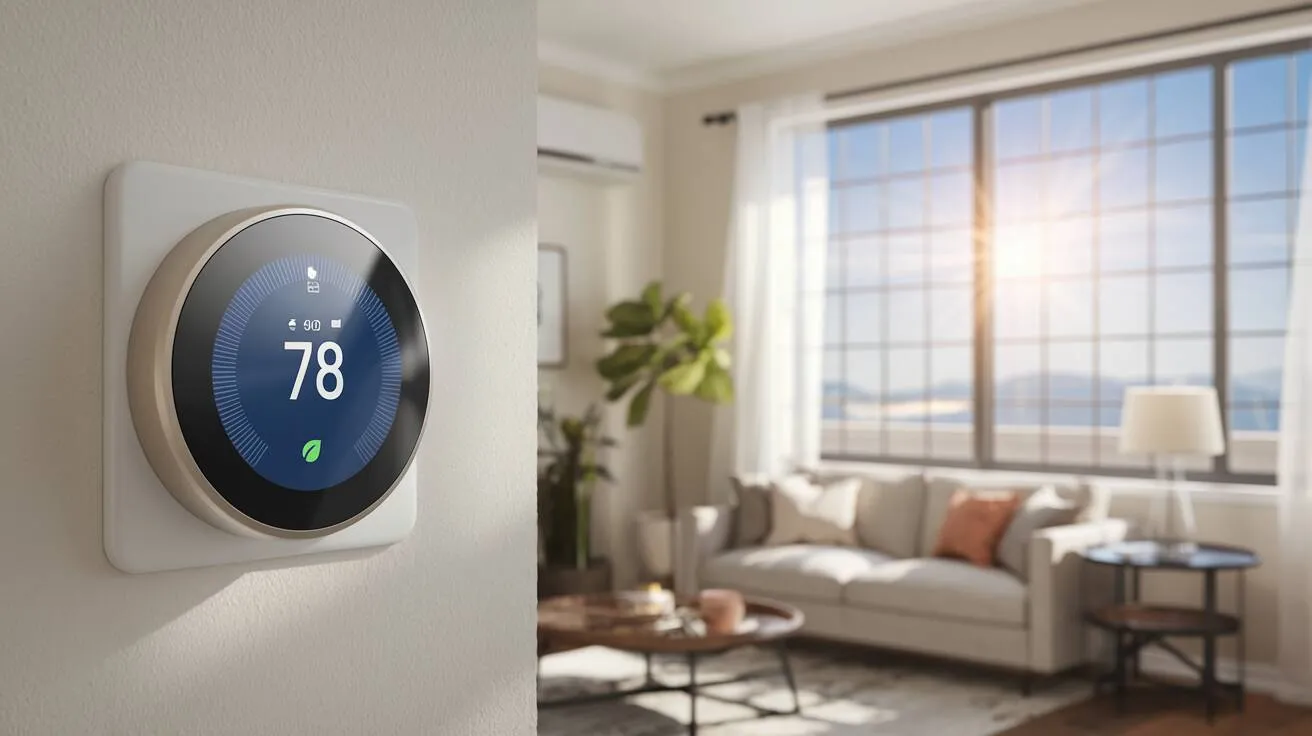
Summer AC doubles electricity bills to $200-400/month in Texas, Ohio, Pennsylvania, and Massachusetts. Set thermostat to 78°F (saves 3% per degree). Avoid 2-7 PM peak pricing on TOU plans. ENERGY STAR AC units use 15% less energy. AEP Ohio and PECO offer peak demand programs with bill credits. Compare summer rates on ElectricRates.org.
Why Summer Electricity Bills Spike
Summer bills can double or triple compared to spring/fall.
Air conditioning accounts for about 50% of summer electricity use according to the EIA. Central AC draws 3,000-5,000 watts per hour when running, adding $100-$200/month to average bills.
Higher outdoor temps mean longer run cycles. In the Northeast, your AC removes moisture AND heat, working even harder in humid conditions.
Understanding these factors helps you target the most effective savings strategies.
Best Thermostat Settings for Savings
DOE recommended settings: Set to 78°F when home and awake for the best comfort/efficiency balance. Bump it to 85°F or turn it off when away 2+ hours. Each degree below 78° adds 3-4% to your costs.
Programmable thermostats can save about 10% annually. Smart models like Nest, Ecobee, and Honeywell learn your patterns automatically.
Ceiling fan tip: Fans let you raise the thermostat 4°F while maintaining comfort—moving air feels cooler on skin.
Air Conditioning Efficiency Tips
Maintenance essentials: Replace air filters monthly during heavy use—dirty filters add 5-15% to energy costs. Schedule annual professional maintenance for refrigerant, coils, and electrical. Keep the outdoor unit clear with 2+ feet of clearance for airflow.
Ductwork and vents: Seal duct leaks (they can waste 20-30% of cooled air). Keep all vents open and unobstructed.
Reduce heat gain: Close blinds on south and west windows during the afternoon.
Understanding Peak Demand and Timing
Peak pricing periods hit weekday afternoons from 2 PM - 7 PM. Electricity costs more during these hours.
Savings strategies: Pre-cool your home in the morning when rates are lower. Raise the thermostat during peak hours. Run dishwashers and laundry in early morning or evening.
Utility programs: AEP Ohio, Duke, and PECO offer demand response programs where you get bill credits for allowing slight temp increases during grid emergencies. Check with your utility about time-of-use rates.
Reducing Heat Gain in Your Home
Insulation and sealing: Aim for R-49 or higher in the attic. Seal air leaks around windows, doors, and electrical outlets. Consider reflective window film on south and west windows.
Daily habits: Use exhaust fans when cooking or bathing. Avoid the oven during hot afternoons—grill outside or use the microwave instead. Switch to LED lighting (incandescent bulbs put out 90% heat).
Long-term improvements: Light-colored roofing reflects solar heat rather than absorbing it. Exterior shading devices on sunny windows make a real difference.
When to Consider Equipment Upgrades
SEER ratings comparison: Systems 10-15 years old typically have SEER 10 or lower. The current minimum is SEER 14, and high-efficiency units hit SEER 20+. Upgrading from SEER 10 to 16 means 40% energy reduction.
Upgrade options: Heat pumps give you cooling AND heating efficiency in one system. Variable-speed systems adjust output gradually instead of just cycling on and off.
Financial assistance: Federal tax credits and utility rebates can offset the upfront cost.
Consider replacement if: Repair costs exceed 50% of a new system price, or you're calling for repairs frequently.
Shopping Electricity Rates Before Summer
Lock in rates before peak season: Competitive suppliers often beat utility default rates, and fixed-rate contracts protect you against summer price spikes.
Where to compare: Check ElectricRates.org, PUCO's Apples to Apples, or PAPowerSwitch.com depending on your state.
What to consider: A 12-month contract locks rates through next summer. Some green energy options are competitively priced. Watch for monthly service fees and factor them into the total cost.
Switching takes minutes with no service interruption.
Frequently Asked Questions
What is the most cost-effective thermostat setting for summer?
How much can I save by upgrading my air conditioner?
Do ceiling fans reduce air conditioning costs?
When is electricity cheapest during summer days?
Should I switch electricity suppliers before summer?
Looking for more? Explore all our Energy Efficiency guides for more helpful resources.
About the author

Consumer Advocate
Brad has analyzed thousands of electricity plans since 2009. He understands how electricity pricing works, why some "low" rates end up costing more, and what to look for in an Electricity Facts Label. He writes to help people make sense of a confusing market.
Compare rates in your area
Topics covered
Sources & References
- DOE - Energy Saver Tips (U.S. Department of Energy): "DOE recommends 78°F for best balance of comfort and AC efficiency"Accessed Jan 2025
- ENERGY STAR - Central Air Conditioning (U.S. Environmental Protection Agency): "ENERGY STAR explains SEER ratings and air conditioner efficiency standards"Accessed Jan 2025
Last updated: December 8, 2025