Quick Answer
Pay less at night, more during peak hours. Time-of-use plans can save you money—or cost you more if you are not careful. Here is how to decide if TOU pricing works for your household.
What Is Time-of-Use Pricing?
Time-of-use (TOU) electricity plans charge different rates depending on when you use power. Typically, you pay more during peak hours (afternoons and early evenings) and less during off-peak hours (nights and weekends).
The logic follows wholesale electricity markets:
- Power costs more when everyone wants it
- TOU plans pass these price variations through to consumers
- Rewards those who shift usage to cheaper periods
How TOU Plans Work
Most TOU plans divide the day into two or three pricing tiers:
| Tier | Typical Hours | Rate Range |
|---|---|---|
| Peak Hours | 1pm-7pm or 2pm-8pm weekdays | 15-20¢/kWh or higher |
| Off-Peak Hours | 9pm-6am and weekends | 5-8¢/kWh |
| Shoulder Hours | Between peak and off-peak | Moderate rates |
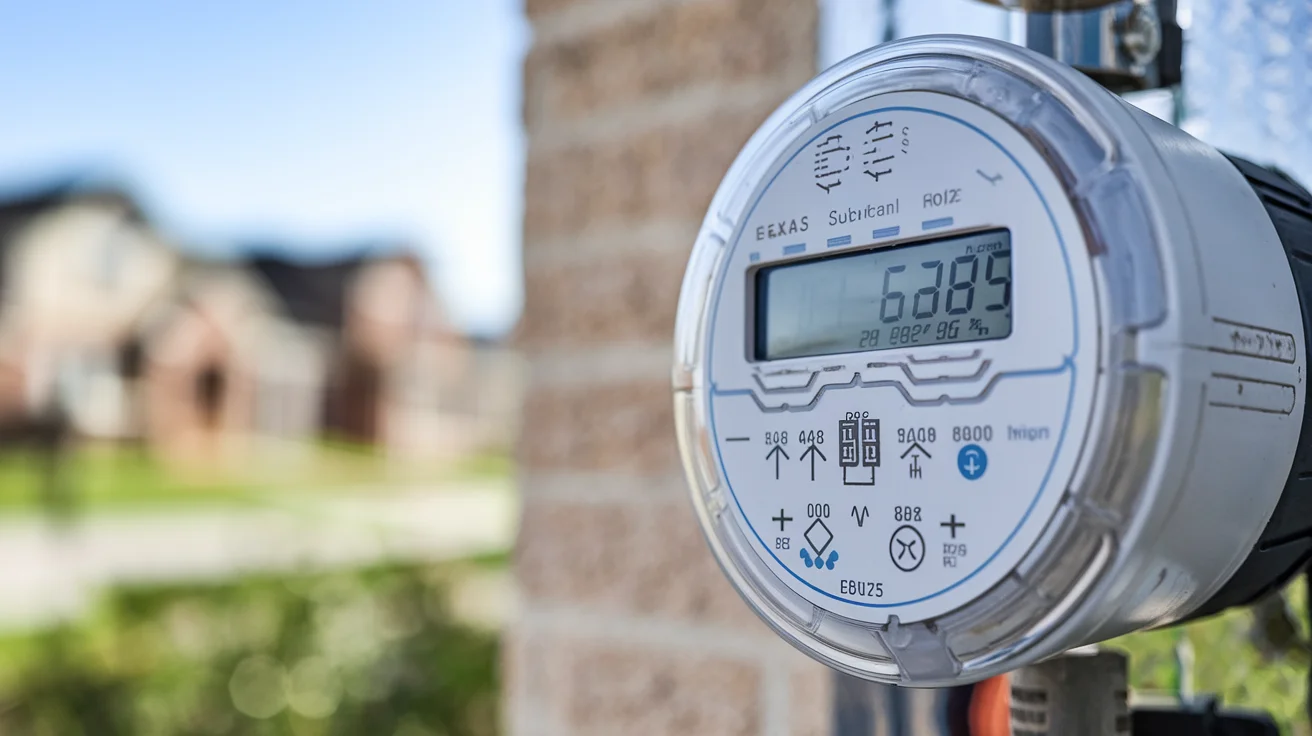
Your Smart Meter tracks exactly when you use electricity, and your bill reflects the time-based pricing.
Simple rule:
- Use more during cheap hours → pay less
- Use more during expensive hours → pay more
Who Saves Money with TOU Plans
TOU plans work best for households that can shift significant usage to off-peak hours:
| Household Type | Why TOU Works |
|---|---|
| Work-from-Elsewhere | Nobody home running AC 1pm-7pm—peak rates barely affect you |
| Night Owls | Heavy usage after 9pm means most consumption hits cheap rates |
| EV Owners | Charge overnight at 5¢/kWh instead of 15¢/kWh |
| Pool Owners | Run the pump at night instead of afternoon |
| Smart Home Users | Programmable thermostats shift usage automatically |
Who Pays More with TOU Plans
TOU plans can backfire if your usage pattern doesn't match:
| Household Type | Why TOU Hurts |
|---|---|
| Work-from-Home | Running AC and computers all afternoon at peak rates adds up fast |
| Families with Kids Home | Summer days with children running AC noon-evening crushes your bill |
| Fixed Schedules | Can't shift laundry, dishwasher, cooking to off-peak = pay the premium |
| High Peak Users | Natural usage pattern aligns with expensive hours |
Bottom line: If you can't shift when you use power, stick with flat-rate.
TOU vs Flat-Rate: A Comparison
Example for 1,000 kWh monthly usage:
Flat-Rate Plan at 10¢/kWh: $100/month regardless of when you use power
TOU Plan (Off-peak 6¢, Peak 16¢):
| Off-Peak % | Calculation | Monthly Bill | Verdict |
|---|---|---|---|
| 70% off-peak | (700 × 6¢) + (300 × 16¢) | $90/month | You save $10 |
| 50% off-peak | (500 × 6¢) + (500 × 16¢) | $110/month | You lose $10 |
| 30% off-peak | (300 × 6¢) + (700 × 16¢) | $130/month | You lose $30 |
The math only works if you genuinely shift usage off-peak. Be honest about your habits.
Free Nights vs Standard TOU
Texas offers a unique variant: Free Nights plans. These are aggressive TOU plans where off-peak electricity is literally free.
| Plan Type | Off-Peak Rate | Daytime Rate | Best For |
|---|---|---|---|
| Free Nights | 0¢/kWh | 15-22¢/kWh | Extreme night owls (60%+ overnight usage) |
| Standard TOU | 5-8¢/kWh | 15-18¢/kWh | More flexible households |
Reality check: For most families, the daytime premium outweighs the free nights benefit. Standard TOU plans with moderate off-peak discounts (not free, but cheap) often work for more households than the extreme Free Nights structure.
See If TOU Works for YOUR Usage
TOU savings depend entirely on WHEN you use power—not just how much. Standard comparisons can't tell you if TOU will save or cost you money.
Our Texas comparison tool connects directly to Smart Meter Texas, pulls your actual hourly usage history, and calculates your exact cost for every plan—including TOU options.
Same plans. Personalized prices.
How it works:
1. Enter your ZIP code and click "See Your Personalized Rates"
2. We connect to your smart meter to pull your real usage—not estimates
3. Every plan is re-priced based on YOUR actual consumption pattern
4. See exactly what TOU vs flat-rate would cost you
Stop guessing whether TOU will save you money. See your personalized rates →
Frequently Asked Questions
What are typical peak hours for Texas TOU plans?
How do I know if TOU will save me money?
Can I switch back if TOU does not work for me?
Do TOU plans work with solar panels?
Looking for more? Explore all our How-To Guides guides for more helpful resources.
About the author

Consumer Advocate
Enri knows the regulations, the fine print, and the tricks some suppliers use. He's spent years learning how to spot hidden fees, misleading teaser rates, and contracts that sound good but cost more. His goal: help people avoid the traps and find plans that save money.
Compare rates in your area
Topics covered
Sources & References
- Electric Reliability Council of Texas (ERCOT): "ERCOT peak demand patterns"Accessed Dec 2025
Last updated: December 31, 2025