Quick Answer
Restaurant electricity costs average $3-5/sq ft annually. Kitchen equipment drives 50-60% of usage. Peak demand from ovens, fryers, and HVAC running simultaneously spikes demand charges. Staggering equipment startup cuts demand 20-35%. Pre-cooling before lunch rush reduces HVAC peaks. Compare restaurant rates on ElectricRates.org.
Understanding Restaurant Energy Profiles
Your fryers, ovens, and walk-in cooler don't care that food costs just went up 12%. They're pulling power whether you had a good night or a dead Tuesday.
The reality is restaurants burn through electricity like almost no other business—$3-5 per square foot annually for a full-service spot. That puts your electric bill right behind labor and food costs. And unlike those other two, most owners never look closely at it.
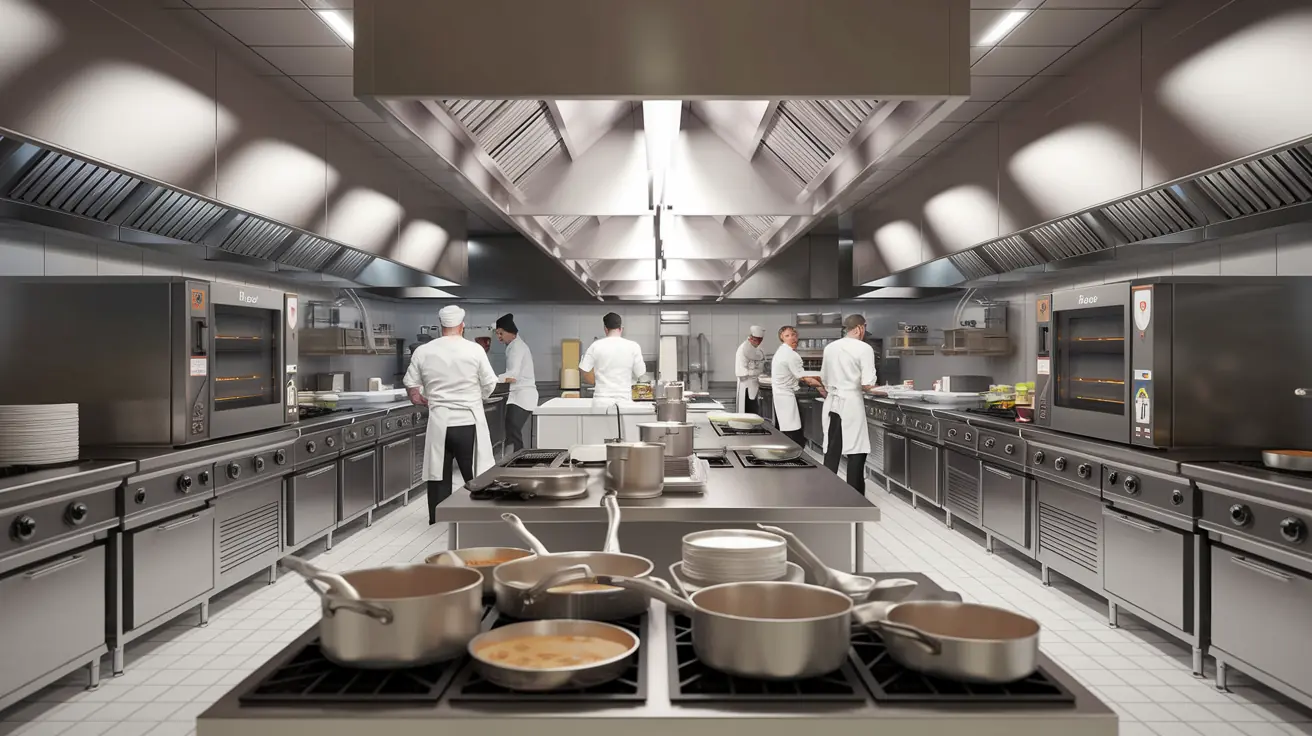
Where the money goes: Kitchen equipment eats 50-60% of your usage. HVAC takes another 25-30%. The rest splits between lighting and refrigeration. The kicker? It's not total consumption that kills you—it's those 15-minute demand spikes when everything runs at once during the lunch rush.
Kitchen Equipment: The Demand Charge Driver
Commercial kitchen equipment creates massive demand spikes that drive up electricity bills through demand charges.
High-demand equipment:
• Electric convection ovens: 10-20 kW each
• Deep fryers: 10-15 kW each
• Commercial ranges: 15-25 kW
• Dishwashers: 10-15 kW
• Walk-in compressors: 3-8 kW
The problem isn't total energy consumption—it's what happens when multiple high-draw items run simultaneously. A restaurant with two ovens, two fryers, a range, and a dishwasher could spike to 60-80 kW during the lunch rush. That single 15-minute peak sets your demand charge for the entire month. At $10/kW, you're looking at $600-800 in demand charges from one busy lunch period.
Demand Management Strategies for Restaurants
Smart demand management cuts restaurant electricity bills 15-25% without affecting food quality or service speed.
Stagger equipment startup: Don't turn everything on at once when opening. Start with refrigeration and prep equipment 30 minutes before ranges and fryers. This prevents a massive opening surge.
Sequence cooking equipment: Train kitchen staff to avoid running all fryers simultaneously. One fryer at 350°F for chicken while another holds at 325°F for fries uses less peak power than both at full temperature.
Pre-cool before rushes: Drop your thermostat 2-3°F an hour before the lunch rush. The building's thermal mass holds that coolness through peak, avoiding HVAC and kitchen equipment running full-blast simultaneously.
Install demand controllers: These devices automatically cycle non-critical loads (like walk-in anti-sweat heaters) when you approach peak thresholds.
HVAC Challenges in Restaurant Environments
Restaurant HVAC systems work harder than typical commercial systems. Kitchen heat loads, customer turnover, and ventilation requirements create unique challenges.
Kitchen hood exhaust: Commercial kitchen hoods exhaust massive air volumes—often 2,000-6,000 CFM. That exhausted air must be replaced, and replacing conditioned air with outside air costs money. Demand-controlled kitchen ventilation reduces exhaust rates when cooking equipment isn't actively generating heat.
Makeup air: Modern codes require makeup air units to replace exhausted air. These units should include heat recovery to capture energy from exhaust air before it leaves the building.
Dining room comfort: Customer comfort directly affects revenue. Too hot and customers leave. Too cold and they complain. Zone your HVAC to provide extra cooling near the kitchen while maintaining comfortable temperatures in the dining room.
Refrigeration Efficiency Tips
Refrigeration runs 24/7, making efficiency improvements especially impactful for restaurants.
Walk-in cooler maintenance:
• Clean condenser coils monthly (dirty coils increase energy use 15-25%)
• Check door gaskets and replace if damaged
• Install strip curtains to reduce air exchange when doors open
• Keep coils clear of ice buildup
Reach-in refrigerator placement: Don't place reach-ins near heat sources like ovens or steam tables. Every degree of ambient temperature increase forces compressors to work harder.
Night covers: Open display cases lose significant cooling overnight. Install night covers on open-front cases to reduce energy consumption 30-50% during closed hours.
EC motors: Replacing shaded-pole evaporator fan motors with electronically commutated (EC) motors saves 60-70% of fan energy. Payback is typically under 2 years.
Restaurant Lighting Strategies
Lighting sets ambiance while consuming 10-15% of restaurant electricity. Modern options balance aesthetics with efficiency.
LED retrofits: LED replacements exist for virtually every restaurant application—from decorative dining room fixtures to high-bay kitchen lights. Energy savings of 50-70% versus traditional lighting are typical, with improved color rendering for food presentation.
Dimming controls: LED dimmers adjust light levels for different dayparts. Bright for lunch service, dimmed for dinner ambiance. Beyond aesthetics, dimming reduces energy consumption proportionally.
Occupancy sensors: Install sensors in restrooms, storage areas, and offices. These spaces don't need lights running constantly. Savings of 30-50% on lighting in these areas adds up.
Daylight harvesting: If your restaurant has windows, photosensors can dim artificial lighting when natural light suffices. This works particularly well for lunch service when sunlight is strongest.
Choosing the Right Electric Rate for Restaurants
Restaurant operating patterns affect which rate structures save the most money.
Time-of-use rates: Mixed value for restaurants. Lunch and dinner rushes typically fall during peak pricing hours. However, prep work and cleaning can shift to off-peak times. Run the numbers with your actual usage data before switching.
Demand-based rates: Most restaurants above GS-1 size end up on demand-based rates regardless of preference. Focus on demand management rather than fighting the rate structure.
Fixed vs. variable supply: Restaurant revenue is relatively predictable seasonally. Fixed-rate supply contracts eliminate electricity cost volatility, making budgeting easier. Lock in rates before summer when electricity prices typically peak.
ElectricRates.org compares commercial rates from suppliers serving restaurant accounts across Ohio, Pennsylvania, Massachusetts, and Texas.
Frequently Asked Questions
How much do restaurants typically spend on electricity?
What causes high demand charges in restaurants?
Should restaurants use gas or electric cooking equipment?
Looking for more? Explore all our Business Energy guides for more helpful resources.
About the author

Consumer Advocate
Enri knows the regulations, the fine print, and the tricks some suppliers use. He's spent years learning how to spot hidden fees, misleading teaser rates, and contracts that sound good but cost more. His goal: help people avoid the traps and find plans that save money.
Compare rates in your area
Topics covered
Last updated: January 15, 2026