Quick Answer
Business energy audits (ASHRAE Level I-III) identify 15-30% savings. Level I walk-through costs $500-2,000. Level II detailed analysis runs $2,000-10,000. AEP Ohio and Duke Energy offer commercial rebate programs. Mass Save provides 0% financing for efficiency upgrades. Typical ROI: 18-36 months. Schedule audits on ElectricRates.org.
What Is a Business Energy Audit?
Look, nobody wakes up excited about an energy audit. But here's what happens when you skip one: you keep paying for electricity that's literally heating up the parking lot or cooling an empty stockroom at 2 AM.
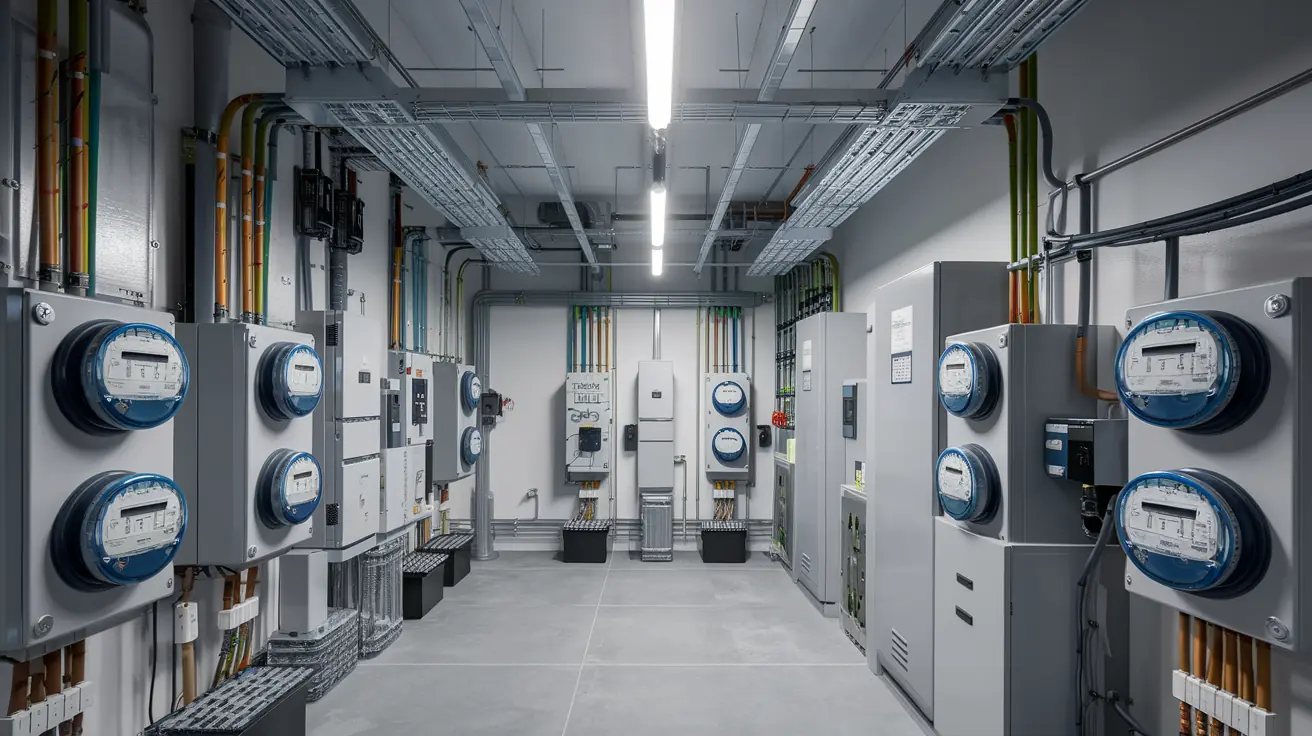
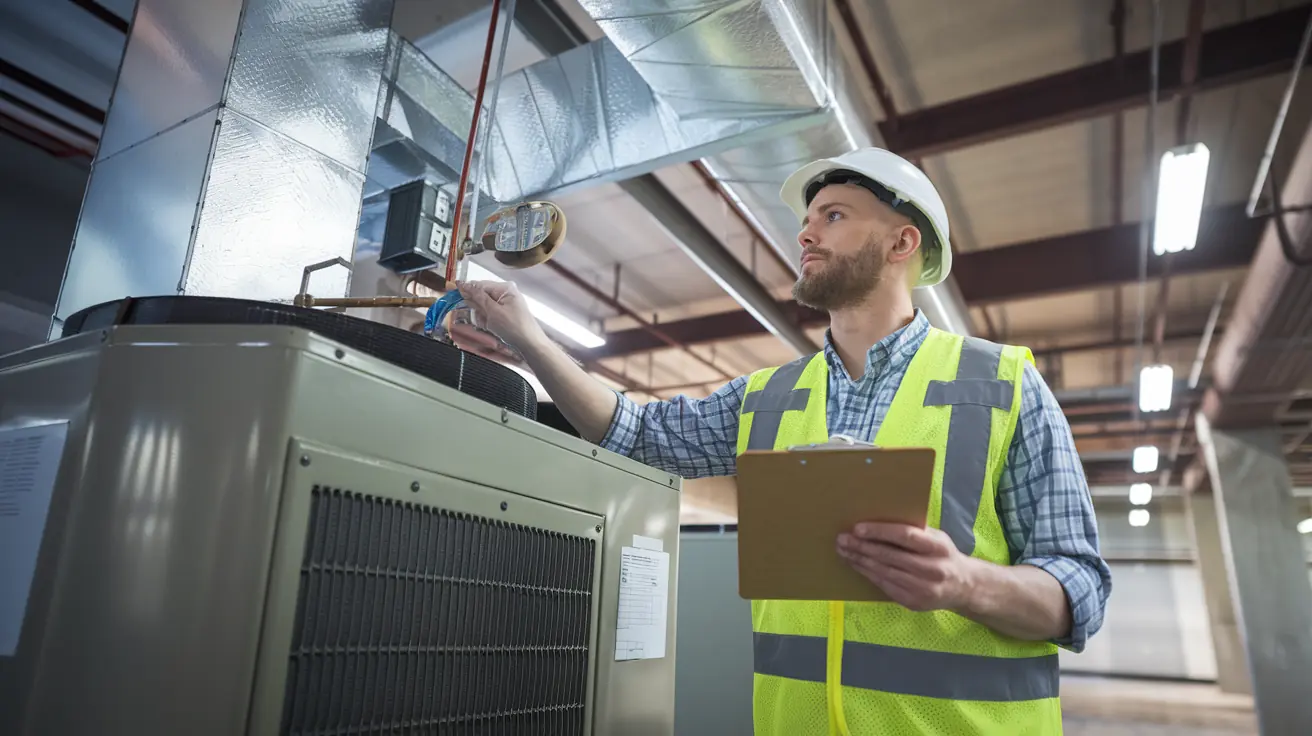
An audit is someone walking through your building with a clipboard and thermal camera, figuring out where your money's going. They check your HVAC, your lighting, your equipment schedules—all the stuff you don't have time to think about. Then they tell you what to fix first based on payback time, not just what's broken.
Most audits find 15-30% in savings. That's not marketing fluff—that's what happens when someone finally looks at your building like a system instead of just paying whatever bill shows up.
Understanding ASHRAE Audit Levels
Level I: Walk-Through Analysis ($500-2,000)
A brief on-site visit identifies low-cost and no-cost improvements. Auditors review utility bills, observe operations, and spot obvious issues like lighting upgrades or HVAC scheduling improvements. Deliverable: summary report with quick-win recommendations.
Level II: Energy Survey and Analysis ($2,000-10,000)
Detailed data collection includes equipment inventories, operating schedules, and sub-metered measurements. Engineers model your facility's energy use and calculate precise savings from specific upgrades. Deliverable: comprehensive report with payback calculations for each recommendation.
Level III: Detailed Analysis ($10,000-50,000)
Reserved for major capital projects. Includes dynamic building modeling, detailed equipment specifications, and construction-grade cost estimates. Typically required for financing large efficiency investments.
Common Energy Audit Findings
Certain issues appear in almost every commercial audit. Knowing what to expect helps you understand recommended improvements.
Lighting: Legacy fluorescent or HID fixtures waste 40-60% of lighting energy. LED retrofits typically pay back in 18-36 months with utility rebates.
HVAC: Systems running during unoccupied hours, simultaneous heating and cooling, and dirty filters waste 20-35% of HVAC energy. Programmable thermostats and maintenance protocols often cost nothing beyond labor. North Texas businesses needing commercial HVAC maintenance or upgrades can contact Jupitair HVAC for energy-efficient solutions.
Equipment scheduling: Computers, copiers, and kitchen equipment left running overnight or weekends. Smart power strips and auto-off policies save 5-15% of plug load energy.
Compressed air: Leaks in pneumatic systems waste 20-30% of compressor energy. Leak detection and repair pays back in weeks.
Utility Rebate Programs for Commercial Audits
Most utilities subsidize commercial energy audits and efficiency upgrades. These programs significantly reduce out-of-pocket costs.
Ohio Programs:
AEP Ohio offers commercial rebates up to $0.08/kWh saved annually. Duke Energy Ohio provides prescriptive rebates for lighting, HVAC, and motors. FirstEnergy companies offer custom incentives based on documented savings.
Pennsylvania Programs:
PECO's Commercial Equipment Rebate Program covers LED lighting, HVAC upgrades, and refrigeration improvements. Duquesne Light offers similar prescriptive rebates.
Massachusetts Programs:
Mass Save provides free energy assessments for businesses, plus 0% financing for recommended improvements. This is the most generous program in the region—take advantage of it.
Calculating Energy Audit ROI
Understanding payback periods helps prioritize which improvements to implement first.
Simple Payback Formula:
Project Cost ÷ Annual Savings = Years to Payback
Example: $5,000 LED retrofit saving $2,500/year = 2-year payback
After payback, savings continue for the equipment's remaining life—often 10-15 years for lighting and HVAC. That $5,000 investment generating $2,500 annually becomes $25,000+ in lifetime savings.
Typical payback ranges:
• LED lighting: 1-3 years
• HVAC controls: 1-2 years
• Equipment scheduling: Immediate (behavior change)
• Building envelope improvements: 5-10 years
• Major HVAC replacement: 5-8 years
Start with quick-payback projects. Use those savings to fund longer-term improvements.
Finding Qualified Energy Auditors
Auditor qualifications matter. Unqualified auditors miss savings opportunities or recommend unnecessary improvements.
Certifications to look for:
• Certified Energy Manager (CEM) from Association of Energy Engineers
• Certified Energy Auditor (CEA)
• Building Performance Institute (BPI) certification
• Professional Engineer (PE) license
Where to find auditors:
Your utility company often maintains lists of approved contractors. The Association of Energy Engineers maintains a directory of certified professionals. Mass Save directly assigns auditors at no cost for Massachusetts businesses.
Questions to ask:
How many commercial audits have you completed? Can you provide references from similar businesses? What ASHRAE level do you recommend for my facility? Are you eligible for utility rebate program participation?
Implementing Audit Recommendations
An audit only saves money if you act on it. Here's how to move from recommendations to results.
Prioritize by payback: Start with improvements paying back in under 2 years. These generate cash flow to fund longer-term projects.
Bundle projects for rebates: Some utility programs offer bonus incentives for comprehensive retrofits. Combining lighting, HVAC, and controls upgrades might qualify for additional rebates.
Verify savings: Track utility bills before and after improvements. Most recommendations include projected savings—verify you're achieving them. If not, the auditor should investigate why.
Schedule follow-up: Energy use patterns change. New equipment gets added. Building occupancy shifts. Plan for periodic re-audits every 3-5 years to identify new opportunities.
Frequently Asked Questions
How much does a commercial energy audit cost?
Are energy audit recommendations mandatory?
How long does an energy audit take?
Looking for more? Explore all our Business Energy guides for more helpful resources.
About the author

Consumer Advocate
Brad has analyzed thousands of electricity plans since 2009. He understands how electricity pricing works, why some "low" rates end up costing more, and what to look for in an Electricity Facts Label. He writes to help people make sense of a confusing market.
Compare rates in your area
Topics covered
Last updated: January 15, 2026