Quick Answer
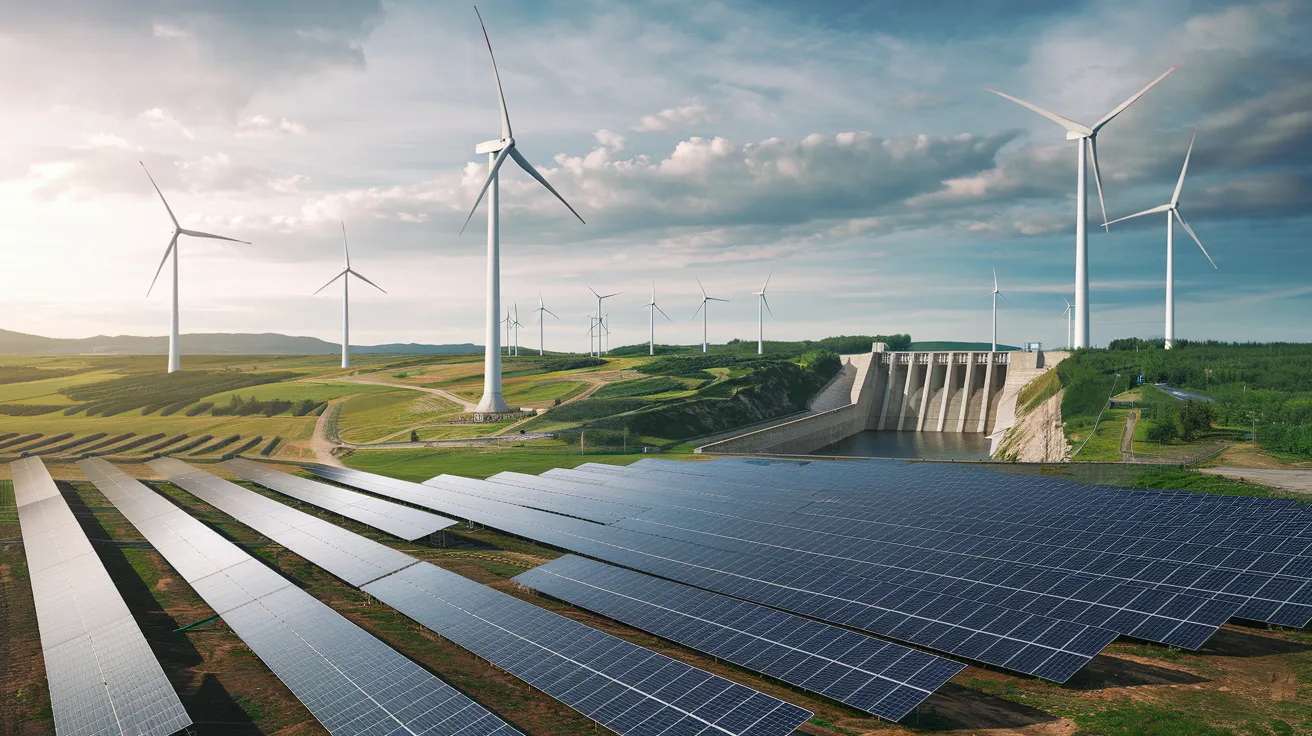
Renewable sources generated 23% of U.S. electricity in 2025—up from 12% a decade ago. Wind leads at 11%, followed by hydro at 6% and solar at 5%. These sources are reshaping electricity costs and availability across every state.
How Much U.S. Electricity Comes From Renewables
Renewable sources generated approximately 23% of U.S. electricity in 2025—a dramatic increase from 12% in 2015.[1] The growth has been driven almost entirely by wind and solar.
Current U.S. electricity generation mix:
- Natural gas: 40%
- Nuclear: 19%
- Wind: 11%
- Coal: 16%
- Hydroelectric: 6%
- Solar: 5%
- Biomass and geothermal: 1%
Renewables are the fastest-growing generation source. Wind and solar capacity additions have outpaced all other sources combined since 2020. By 2030, renewables are projected to reach 30-35% of U.S. generation.
This matters for your electricity bill because renewable fuel costs are zero—once built, the wind and sun are free. As renewables grow, they put downward pressure on wholesale electricity prices in many markets.
Wind Energy: America's Largest Renewable Source
Wind turbines convert kinetic energy from moving air into electricity through spinning blades connected to a generator. Modern utility-scale turbines stand 300-500 feet tall with blade spans exceeding 200 feet.
Wind generated 11% of U.S. electricity in 2025—more than any other renewable source. Texas alone has over 40,000 MW of wind capacity, producing about 25% of the state's electricity.[2]
Onshore wind costs 3-5 cents per kWh unsubsidized, making it the cheapest new electricity source in many regions. Offshore wind costs more (8-12 cents) but generates power near coastal population centers.
Wind is intermittent—it does not blow constantly. Grid operators manage this through forecasting, geographic diversity (wind blows somewhere even when it is calm locally), and complementary generation sources. Battery storage is increasingly filling gaps.
Solar Energy: The Fastest-Growing Source
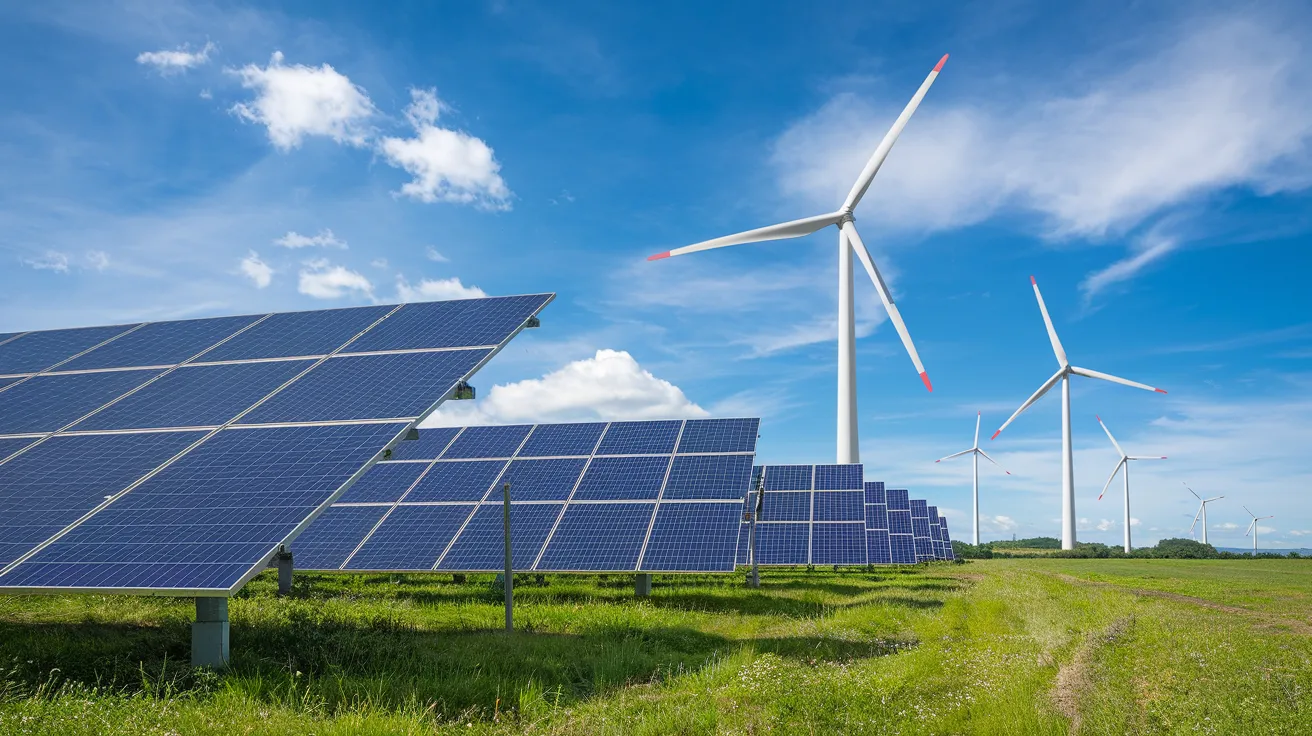
Solar panels convert sunlight directly into electricity using photovoltaic (PV) cells. Solar generation has grown from less than 1% of U.S. electricity in 2015 to approximately 5% in 2025—a 10x increase in a decade.
Utility-scale solar farms (large arrays covering hundreds of acres) produce electricity at 3-5 cents per kWh—competitive with any fossil fuel source. These projects are concentrated in the Sun Belt but expanding to all 50 states.
Rooftop solar (residential panels) costs more per kWh but lets homeowners generate their own electricity and potentially sell excess back to the grid through net metering.
Solar produces most during midday hours, which aligns with summer peak demand in many regions. This has pushed down wholesale afternoon prices in solar-heavy markets like California and Texas.
Solar's main limitation is nighttime and cloudy weather. Pairing solar with battery storage addresses this—and battery costs have dropped 90% since 2010.
Hydroelectric Power: The Original Renewable
Hydroelectric dams generate electricity by channeling water through turbines. Hydro is the oldest large-scale renewable source and still provides 6% of U.S. electricity.
Major hydro states include Washington (68% of state generation), Oregon (56%), and Idaho (60%). The Pacific Northwest has the cheapest electricity in the country largely because of hydropower.
Hydro has unique advantages: dispatchable (operators can increase or decrease output on demand), long-lasting (dams operate 50-100+ years), and zero fuel cost.
New large dam construction has essentially stopped in the U.S. due to environmental concerns—river ecosystem disruption, fish migration blocking, and land flooding. However, existing dams continue operating, and small-scale hydro projects are adding capacity by installing turbines in existing waterways and irrigation canals.
Pumped storage hydro acts as a giant battery: pumping water uphill when electricity is cheap, then releasing it through turbines during peak demand.
Geothermal Energy: Earth's Internal Heat
Geothermal plants use heat from the Earth's interior to produce steam that drives electricity turbines. The U.S. has 3.7 GW of geothermal capacity, concentrated in the western states—primarily California, Nevada, Utah, and Hawaii.
Geothermal provides about 0.4% of U.S. electricity—small but significant where available. It has a key advantage: 24/7 operation. Unlike wind and solar, geothermal runs constantly at 90%+ capacity factor.
Traditional geothermal requires specific geology—hot rock near the surface with water or steam. This limits where plants can be built.
Enhanced geothermal systems (EGS) are expanding the resource. By injecting water into hot dry rock and fracturing it, EGS creates geothermal resources where none existed naturally. The DOE's FORGE project in Utah is demonstrating this technology.[3]
If EGS scales successfully, geothermal could provide clean baseload power anywhere—a potential game-changer for the grid.
Biomass: Electricity From Organic Material
Biomass power plants burn organic materials—wood waste, agricultural residues, municipal solid waste, or purpose-grown crops—to generate steam and electricity.
Biomass provides about 0.5% of U.S. electricity. It plays a larger role in some states: Maine, Vermont, and New Hampshire rely on wood-fired biomass for 5-15% of generation.
Biomass is considered renewable because plants regrow and recapture carbon. However, it is controversial. Critics argue that burning biomass releases carbon immediately while regrowth takes decades. The carbon neutrality claim depends on sustainable sourcing and time horizons.
Biogas from landfills and agricultural waste (methane capture) is a cleaner biomass application. Capturing methane that would otherwise escape to the atmosphere provides both electricity and greenhouse gas reduction.
Biomass costs 5-10 cents per kWh—more expensive than wind and solar but provides dispatchable power that can ramp up and down on demand.
How Renewable Energy Affects Your Electricity Bill
Renewables affect your electricity cost in several ways—some positive, some negative.
Lower wholesale prices: When wind and solar flood the grid, wholesale prices drop. Texas wholesale prices go negative during windy nights. This benefits consumers on indexed or variable plans.
Renewable mandate costs: State renewable portfolio standards require utilities to source a percentage of power from renewables. The compliance cost appears as a rider on your bill—typically 0.1-0.5 cents per kWh.
Green plan options: In deregulated states, you can choose 100% renewable plans. In Texas, these often cost the same or less than conventional plans because wind generation is so cheap. In OH/PA/MA, expect a small premium.
Grid investment: Connecting new wind and solar farms requires transmission line upgrades. These costs are passed to all ratepayers.
Net effect: renewables are modestly lowering total electricity costs in most markets, especially where wind and solar resources are strong. The transition period involves upfront costs, but long-term fuel savings are real.
How to Support Renewables Through Your Electricity Plan
You do not need rooftop solar panels to support renewable energy. In deregulated states, you can choose a green electricity plan.
Green plans work by purchasing Renewable Energy Certificates (RECs) that match your usage with renewable generation. One REC = 1 MWh of renewable electricity generated somewhere on the grid.
How to choose a green plan:
1. Compare green plans alongside conventional plans at ElectricRates.org
2. Check the renewable percentage—50% or 100%?
3. Look for the energy source—Texas wind, generic REC mix, or specific solar?
4. Compare the price to conventional options—the gap is often minimal
In Texas, choosing a 100% wind plan often costs nothing extra. In Ohio and Pennsylvania, expect 0.5-1.5 cents/kWh premium. In Massachusetts, green premiums vary more widely.
Every green plan purchased signals market demand for renewable generation, encouraging new wind and solar construction.
Frequently Asked Questions
What percentage of U.S. electricity is renewable?
Is renewable electricity cheaper than fossil fuels?
Do green electricity plans actually use renewable energy?
What happens when the wind does not blow or the sun does not shine?
Can I get 100% renewable electricity at home?
Looking for more? Explore all our Green Energy guides for more helpful resources.
About the author

Consumer Advocate
Enri knows the regulations, the fine print, and the tricks some suppliers use. He's spent years learning how to spot hidden fees, misleading teaser rates, and contracts that sound good but cost more. His goal: help people avoid the traps and find plans that save money.
Compare rates in your area
Topics covered
Sources & References
- EIA - Electricity Generation by Source (U.S. Energy Information Administration): "Renewable energy sources generated approximately 23% of U.S. electricity in 2025"Accessed Mar 2026
- EIA - Wind Energy in the United States (U.S. Energy Information Administration): "Texas has over 40,000 MW of installed wind capacity, the most of any U.S. state"Accessed Mar 2026
- DOE - Frontier Observatory for Research in Geothermal Energy (U.S. Department of Energy): "The DOE FORGE project is advancing enhanced geothermal systems technology"Accessed Mar 2026
- EPA Green Power Partnership (U.S. Environmental Protection Agency): "EPA Green Power Partnership tracks voluntary renewable energy purchases in the U.S."Accessed Mar 2026
- NREL - Annual Technology Baseline (National Renewable Energy Laboratory): "Onshore wind and utility-scale solar LCOE has reached 3-5 cents per kWh unsubsidized"Accessed Mar 2026
Last updated: March 26, 2026