Quick Answer
Three types of electricity companies work together to keep your lights on: generators produce power, utilities deliver it through wires, and retail providers bill you. Understanding who does what helps you shop smarter.
Three Types of Electricity Companies
The electricity industry has three distinct layers. In regulated states, one company handles all three. In deregulated states like Texas, Ohio, and Pennsylvania, they are separate companies.
The three types:
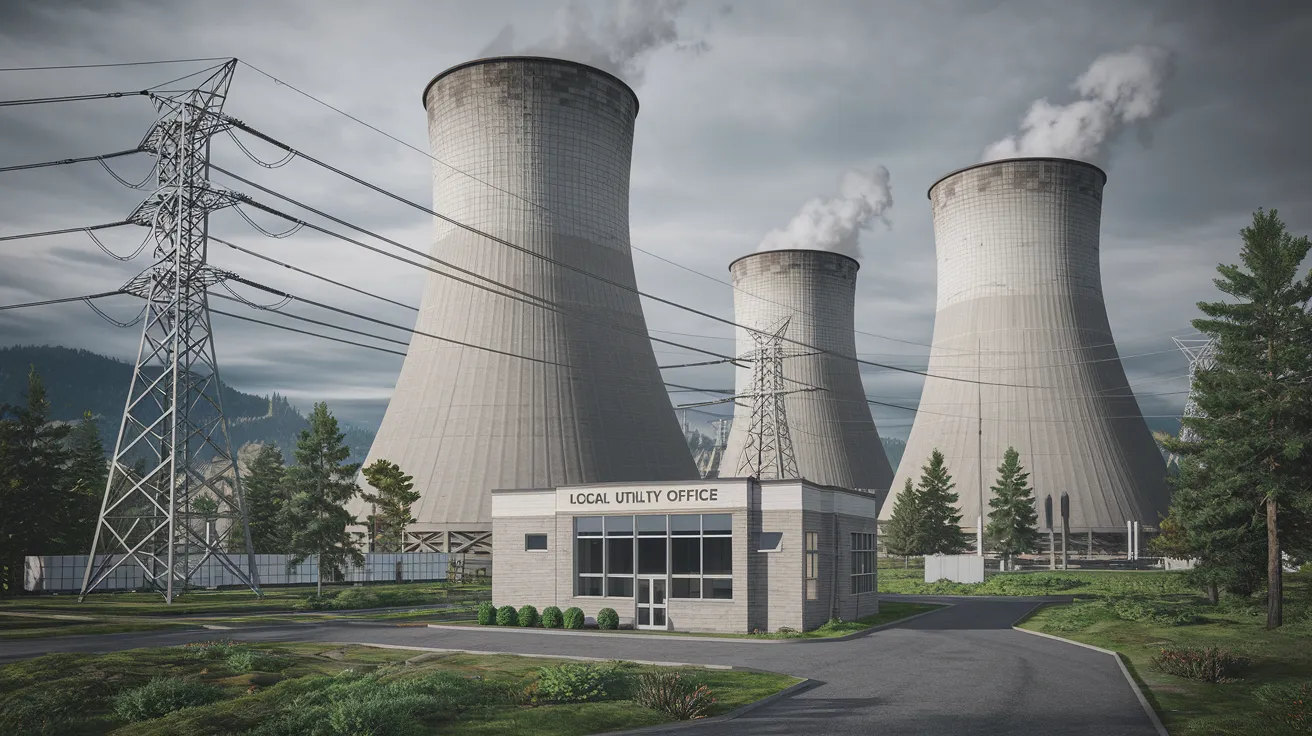
- Generators — Produce electricity at power plants (natural gas, wind, solar, nuclear)
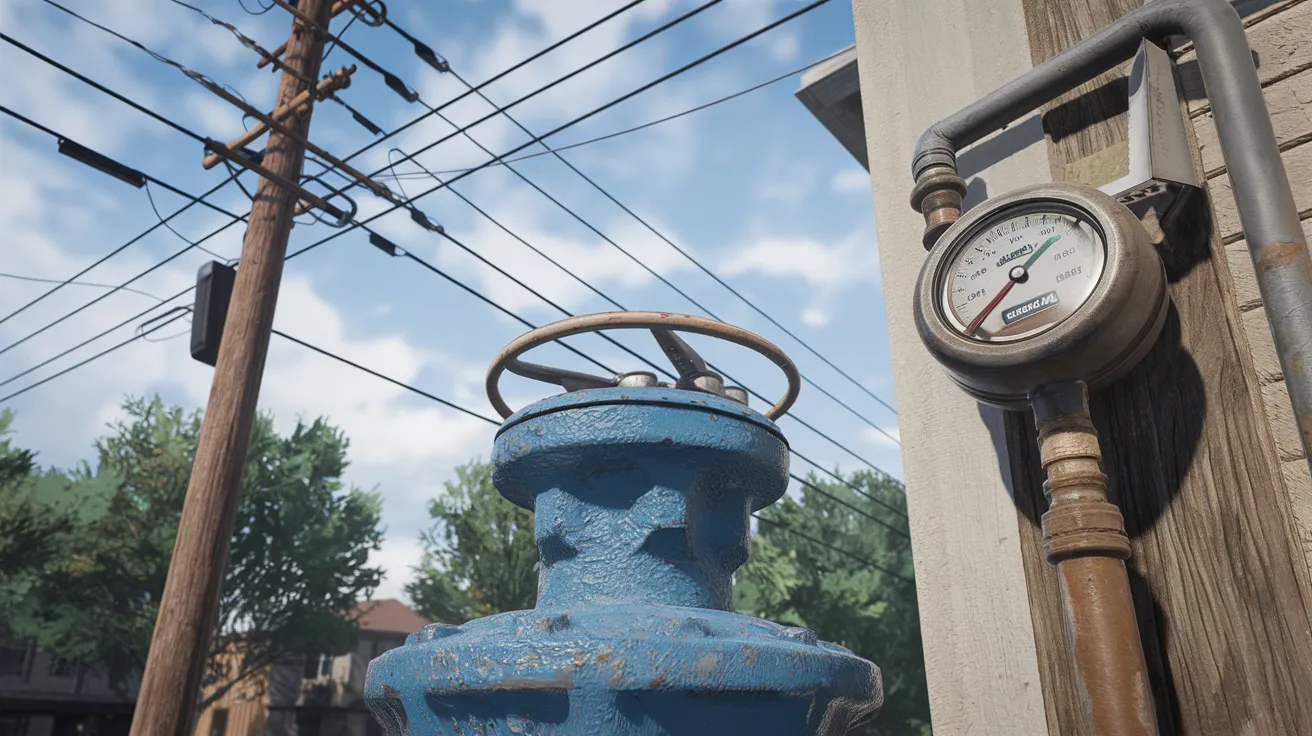
- Utilities / TDUs — Own power lines and deliver electricity to your home
- Retail Providers (REPs) — Buy wholesale electricity and sell it to consumers
In Texas, you choose your REP. You cannot choose your utility (TDU) or generator. Your address determines your TDU. Your REP purchases power from various generators on the wholesale market.
This separation exists because of deregulation—the idea that competition among retail providers drives down prices for consumers.
Electricity Generators: Who Makes the Power
Generators own power plants and sell electricity on the wholesale market. They do not deal with consumers directly.
Major Texas generators:
- Vistra Energy (Luminant) — Natural gas, nuclear (Comanche Peak), solar
- NRG Energy — Natural gas, wind, solar across ERCOT
- NextEra Energy — Largest wind and solar developer in the US
- Calpine — Natural gas fleet across Texas
Generators bid into the ERCOT wholesale market every day. The market clears based on demand—cheapest generators run first. Wind and solar bid at near-zero marginal cost (no fuel). Natural gas sets the price most hours.
Wholesale electricity prices fluctuate dramatically: 2-4¢/kWh on mild days, 50¢+/kWh during summer peaks. Your REP absorbs this volatility when you sign a fixed-rate plan.
Utilities (TDUs): The Delivery Companies
Utilities in deregulated markets are called TDUs (Transmission and Distribution Utilities) in Texas, or EDCs (Electric Distribution Companies) in Ohio and Pennsylvania. They own the physical infrastructure.
Texas TDUs:
- Oncor — Dallas-Fort Worth, 3.7M meters (largest)
- CenterPoint — Houston area, 2.6M meters
- AEP Texas — South and West Texas, 450K meters
- TNMP — Scattered Texas territories, 250K meters
- LP&L — Lubbock area, 110K meters
TDU responsibilities:
- Power line maintenance and repair
- Outage restoration (they send the trucks)
- Smart Meter installation and reading
- New service connections
TDU delivery charges are regulated by the PUCT and appear on every bill regardless of your REP. You pay the same TDU charges whether you use Reliant, TXU, or any other provider.
Retail Electric Providers: Your Billing Company
REPs (Retail Electric Providers) are the companies you choose. They buy wholesale electricity, package it into plans, and sell it to consumers.
What REPs do:
- Set your electricity rate
- Send your monthly bill (including TDU charges)
- Provide customer service
- Offer contract terms (fixed, variable, green energy)
- Handle enrollment and cancellation
Major Texas REPs:
- Reliant Energy, TXU Energy, Gexa Energy, Green Mountain Energy
- Direct Energy, Frontier Utilities, Pulse Power, 4Change Energy
- 100+ licensed REPs compete in ERCOT territory
Every REP must be licensed by PUCT. The commission monitors their financial health and can revoke licenses. Compare REP plans at ElectricRates.org to find the best rate for your usage.
How All Three Work Together
Here is what happens when you flip a light switch in deregulated Texas:
1. A generator somewhere in ERCOT is producing electricity right now
2. ERCOT routes that power across the transmission grid
3. Your TDU delivers it through local distribution lines to your meter
4. Your REP gets billed for the wholesale electricity you consumed
5. Your REP bills you at the retail rate you agreed to in your contract
The money flows backward:
- You pay your REP one bill
- Your REP pays ERCOT for wholesale electricity
- Your REP pays your TDU for delivery charges
- ERCOT pays generators for the power produced
This system means your reliability depends on your TDU (same crew fixes outages regardless of REP), while your rate depends on your REP. Switching REPs changes your bill. It never changes your wires or reliability.
Regulated vs Deregulated Electricity Markets
Not every state separates these three functions. Understanding the difference matters when you move.
Deregulated states (electricity choice):
- Texas: 100+ REPs compete on ERCOT grid
- Ohio: 70+ suppliers, PUCO regulated
- Pennsylvania: 60+ suppliers, PUC regulated
- Massachusetts: Competitive supply through DPU
Regulated states (no choice):
- One utility handles everything: generation, delivery, billing
- Rates set by state public utility commission
- Examples: Florida, Colorado, most Southern states
Municipal utilities (exempt from deregulation):
- Austin Energy, CPS Energy (San Antonio), Jacksonville Electric
- City-owned, rates set by city council
- Not part of the competitive market
In deregulated states, shopping for electricity saves the average household $200-500/year. Use ElectricRates.org to compare plans in Texas, Ohio, Pennsylvania, and Massachusetts.
Frequently Asked Questions
What is the difference between a utility and an electric company?
How many electricity companies are there in Texas?
Can electricity companies shut off my power?
Do I need to contact both my TDU and REP when I move?
Are electricity companies regulated?
Looking for more? Explore all our Texas Energy guides for more helpful resources.
About the author

Consumer Advocate
Enri knows the regulations, the fine print, and the tricks some suppliers use. He's spent years learning how to spot hidden fees, misleading teaser rates, and contracts that sound good but cost more. His goal: help people avoid the traps and find plans that save money.
Compare rates in your area
Topics covered
Sources & References
- PUCT - REP Certification (Public Utility Commission of Texas): "All retail electric providers in Texas must obtain certification from the Public Utility Commission of Texas"Accessed Mar 2026
- ERCOT - Market Information (Electric Reliability Council of Texas): "ERCOT operates the wholesale electricity market serving approximately 26 million customers across Texas"Accessed Mar 2026
- EIA - State Energy Profiles: Texas (U.S. Energy Information Administration): "Texas leads all states in electricity generation and wind power capacity"Accessed Mar 2026
Last updated: March 26, 2026