Quick Answer
No credit check. No deposit. Pay only for what you use. Prepaid electricity sounds perfect until you understand the tradeoffs. Here is everything you need to know before going prepaid in Texas.
What Is Prepaid Electricity?
Prepaid electricity works like a prepaid phone. You add money to your account, use electricity, and your balance decreases. When it runs out, so does your power—usually within 24-48 hours of hitting zero.
The appeal is real: no credit check, no deposit required, no long-term contract. But the tradeoffs are significant. Rates typically run 15-30% higher than traditional plans. There are no extreme weather protections—your power can be cut even during dangerous heat. And if your balance hits zero, you lose service.
Who it is for: Texans with bad credit, recent bankruptcies, or unpaid utility bills—prepaid is often the only option to get electricity immediately.
How Prepaid Electricity Works in Texas
| Step | What Happens |
|---|---|
| 1. Sign Up | 15-30 min online or phone, basic ID verification |
| 2. Add Money | Load balance via card, bank, or payment app |
| 3. Connect | Same-day or next-day service activation |
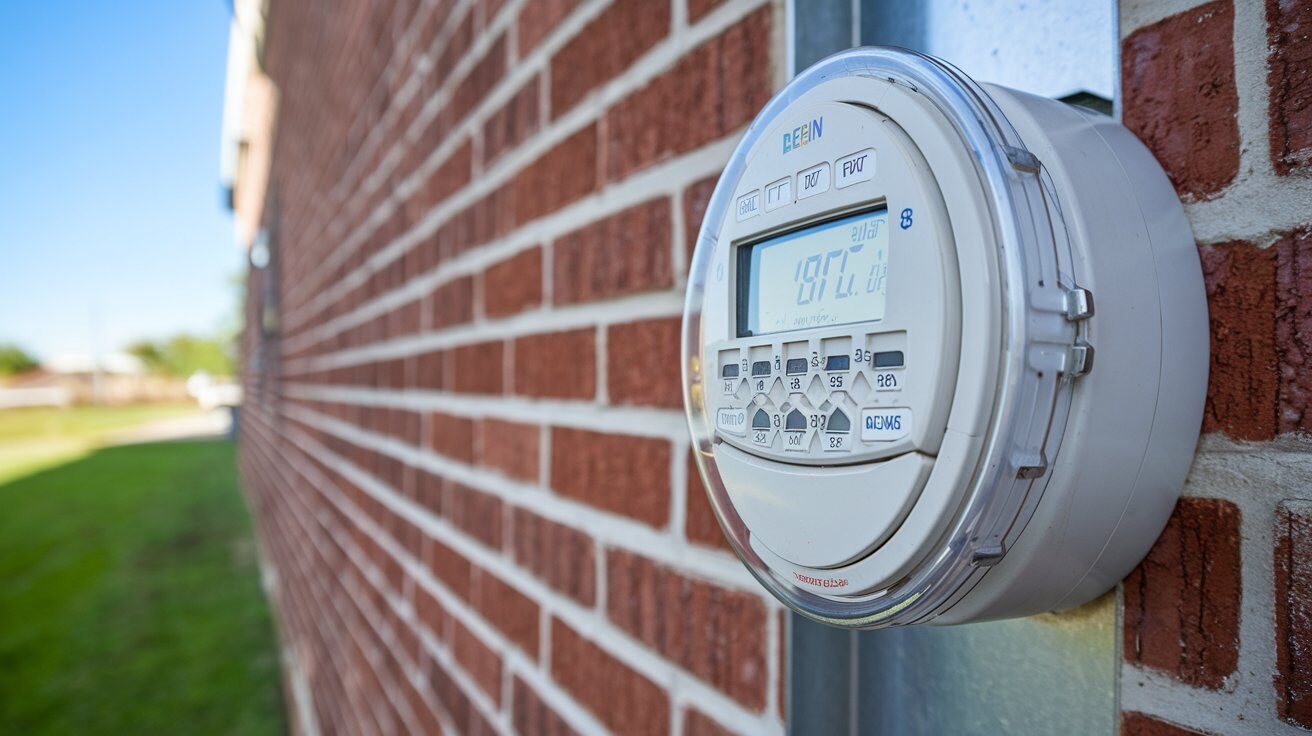
| 4. Use Power | Smart Meter deducts from balance every 15-60 min |
| 5. Get Alerts | Low-balance warnings at $10-$20 remaining |
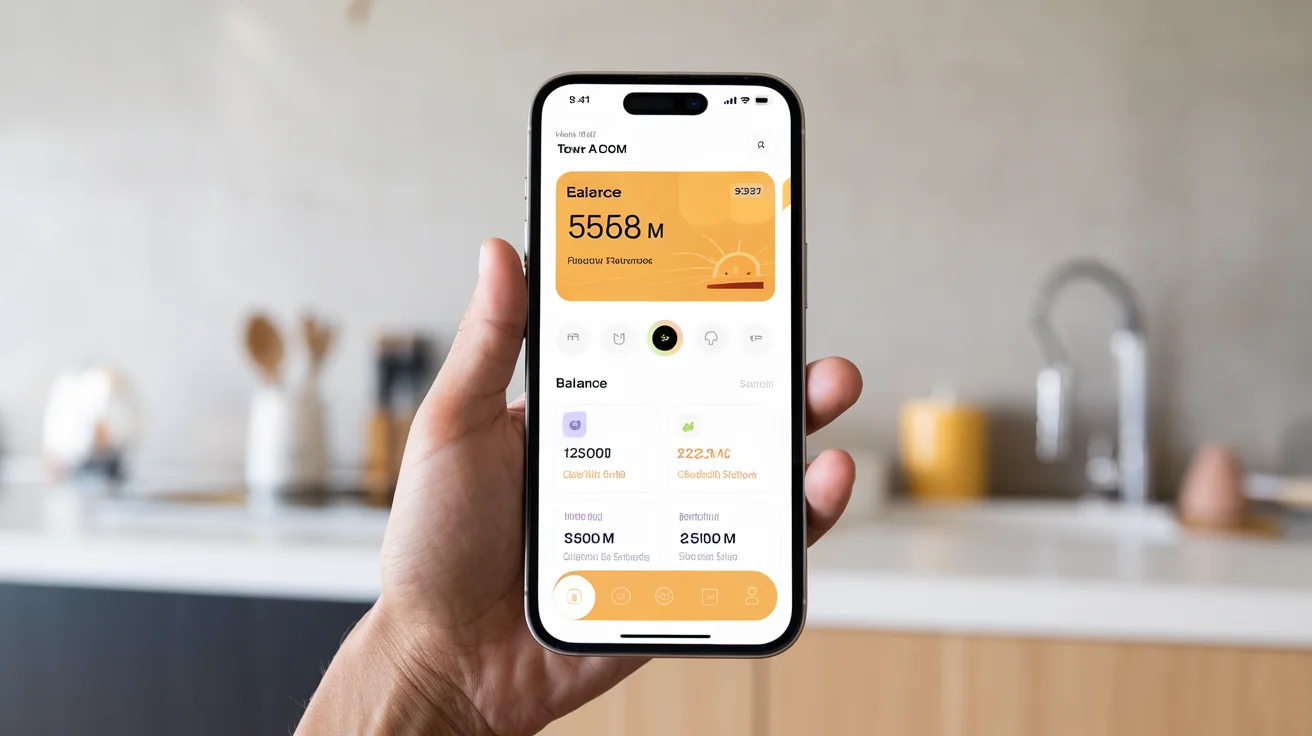
The transparency benefit: Daily usage updates show exactly how much power you used and how much balance remains. Many prepaid customers reduce usage 10-20% simply because they see costs in real-time.
Advantages of Prepaid Electricity
Prepaid electricity solves real problems for many Texans.
| Advantage | Why It Matters |
|---|---|
| No Credit Check | Perfect for rebuilding credit or past utility problems |
| Same-Day Service | Urgent situations? Power on within hours |
| No Commitment | Great for short-term housing or temporary residents |
| Build Payment History | Demonstrate reliability for future traditional plans |
| Real-Time Awareness | See costs daily—many cut usage 10-20% |
Disadvantages of Prepaid Electricity
Prepaid electricity has serious drawbacks you should understand before signing up.
| Disadvantage | The Impact |
|---|---|
| Higher Rates | 12-16¢/kWh vs 9-11¢ traditional = $200-$400/year extra |
| No Weather Protections | Power can be cut even during extreme heat or cold |
| Active Management | Must monitor balance and add funds to avoid shutoffs |
| Hidden Fees | Some charge connection, maintenance, or reconnection fees |
| No Autopay Discounts | Miss out on typical 5-10% autopay savings |
The real risk: Run out of balance during a heat wave and your power gets cut—no protections like traditional plans have.
Best Prepaid Electricity Providers in Texas
Several providers offer prepaid electricity in Texas. Quality varies significantly.
| Provider | Rate | Notes |
|---|---|---|
| Payless Power | 11-14¢/kWh | Largest in Texas, daily alerts, good reviews |
| Direct Energy Prepaid | 12-15¢/kWh | Major provider, reliable service |
| Pogo Energy | 11-13¢/kWh | App-focused, simple signup |
Cautionary tale: Griddy offered wholesale rates but collapsed during Winter Storm Uri when prices spiked 10,000%. Prepaid does not mean unregulated—stick with established providers.
Before choosing: Compare rates at your usage level, check for hidden fees (connection, maintenance, reconnection), read reviews about disconnection practices, and verify PUCT registration.
Who Should Consider Prepaid Electricity?
Prepaid electricity makes sense for specific situations.
| Situation | Why Prepaid Works |
|---|---|
| Credit Problems | Skip $200-$400 deposits, connect immediately |
| Bankruptcy/Foreclosure | Traditional providers deny you, prepaid doesn't |
| Temporary Housing | College students, seasonal workers, short-term |
| Past Disconnection | Rebuild utility payment history |
| Zero Commitment | No contracts, no early termination fees |
Who Should Avoid Prepaid Electricity?
If you can qualify for traditional electricity plans, prepaid is almost never the better financial choice.
| Situation | Why Prepaid Hurts You |
|---|---|
| Stable Credit | Traditional fixed-rate plans save $200-$400 annually |
| High-Usage (2,000+ kWh) | Rate premium adds $50-$100 extra per month |
| Medical Needs | Heat wave disconnection is life-threatening |
| Frequent Travelers | Miss alerts → disconnection → spoiled food |
| Long-Term Residents | Cumulative cost adds up to thousands over years |
Bottom line: If you can qualify for traditional plans with no or low deposit, prepaid costs more.
Transitioning from Prepaid to Traditional Plans
Prepaid can be a stepping stone, not a permanent solution. Here's how to transition to cheaper traditional electricity.
| Strategy | How It Helps |
|---|---|
| Build Payment History | 6-12 months of consistent prepaid payments demonstrates reliability |
| Improve Credit | Many providers approve scores above 580 |
| Save for Deposit | 3-4 months of prepaid premium equals a typical deposit |
| Shop No-Deposit Options | Some providers accept higher rates instead of upfront deposits |
| Time the Switch | Switch at lease end or when moving to a new address |
Before you switch: Request payment history from your prepaid provider. Check your credit score before applying (avoid hard inquiry hits). Some traditional providers waive deposit after 12 months of on-time payment.
Frequently Asked Questions
Is prepaid electricity more expensive than regular plans?
Can I get prepaid electricity with bad credit?
How fast can I get prepaid electricity connected?
What happens if my prepaid balance runs out?
Are there protections against disconnection during extreme weather?
Looking for more? Explore all our How-To Guides guides for more helpful resources.
About the author

Consumer Advocate
Brad has analyzed thousands of electricity plans since 2009. He understands how electricity pricing works, why some "low" rates end up costing more, and what to look for in an Electricity Facts Label. He writes to help people make sense of a confusing market.
Compare rates in your area
Topics covered
Sources & References
- Public Utility Commission of Texas (Public Utility Commission of Texas): "Texas prepaid electricity regulations"Accessed Dec 2025
- U.S. Energy Information Administration (U.S. Energy Information Administration): "Texas residential electricity rate data"Accessed Dec 2025
Last updated: December 31, 2025