Quick Answer
Utilities are companies that provide essential public services—electricity, natural gas, water, and sewage. Electric utilities specifically generate, transmit, and distribute power to homes and businesses. Understanding how they work helps you make smarter energy decisions.
What Are Utilities?
Utilities are companies or government entities that provide essential services to the public. The term covers four main categories: electricity, natural gas, water, and sewage/wastewater.
These services are considered "essential" because modern life depends on them. You can't easily opt out of having electricity or running water. That's why utilities are regulated differently from other businesses—governments oversee pricing, service quality, and access to prevent abuse.
Most Americans interact with 2-4 separate utility companies. Your electric utility might be AEP Ohio or PECO. Your gas utility could be a different company entirely. Water and sewer are often run by your local municipality.
The word "utility" also appears on your utility bill—the monthly statement showing what you owe for these essential services.
Types of Utilities: Electric, Gas, Water, and More
Electric utilities generate, transmit, and deliver electricity. They operate power plants, high-voltage transmission lines, and local distribution networks. Examples include Duke Energy, AEP Ohio, Eversource, and PECO.
Natural gas utilities deliver gas through underground pipelines for heating, cooking, and hot water. Many electric utilities also provide gas service, but they're often separate companies.
Water utilities treat and deliver clean drinking water. Usually municipally owned, though some areas have private water companies.
Sewage/wastewater utilities collect and treat wastewater. Almost always government-run.
Telecommunications were once considered utilities but are now largely deregulated. Internet service is increasingly debated as a potential utility given its essential role in modern life.
Electricity is the utility with the most consumer choice in deregulated states.
How Electric Utilities Work
Electric utilities manage three distinct functions, and understanding them explains your bill.
Generation is power production. Utilities operate or contract with power plants—natural gas, coal, nuclear, solar, wind, or hydro—to produce electricity. This is the "supply" on your bill.
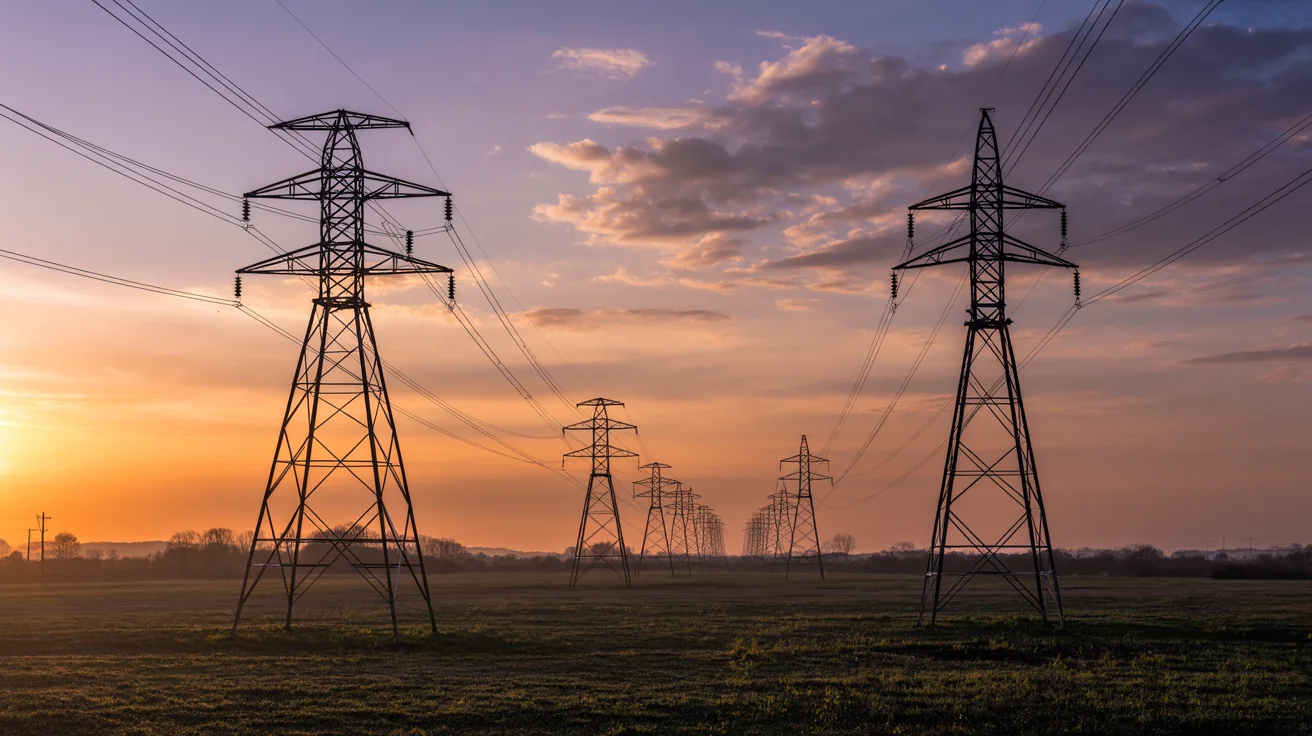
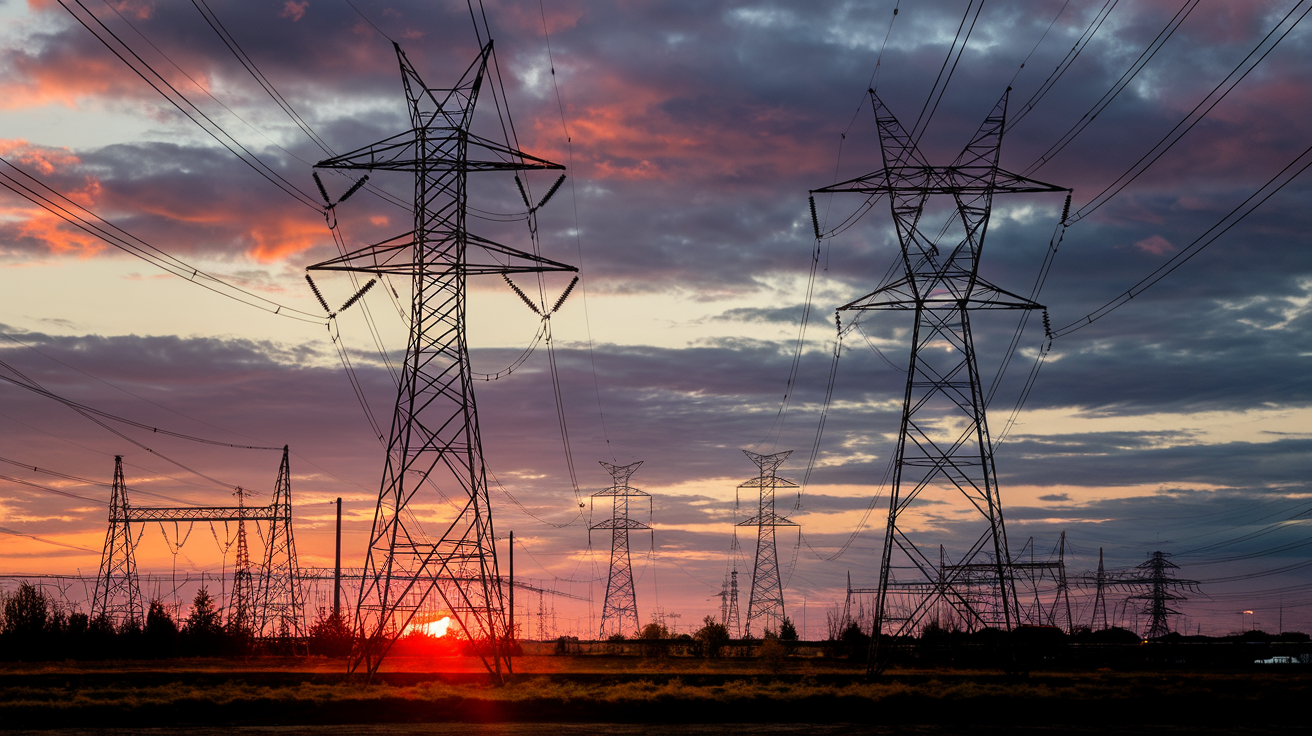
Transmission moves electricity over long distances via high-voltage power lines. Those massive steel towers carrying cables across the countryside? That's transmission infrastructure operating at 115,000-765,000 volts.[1]
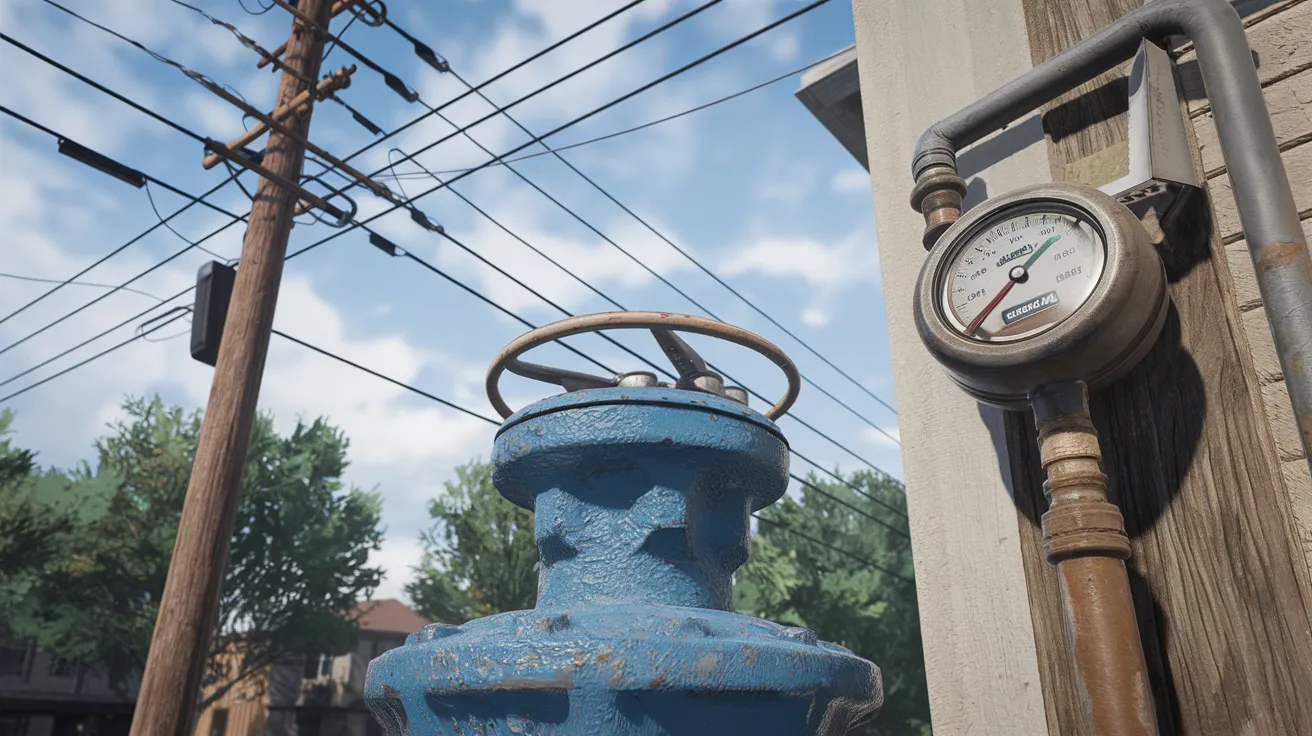
Distribution is the local network—the wooden poles, neighborhood transformers, and the wire running to your house. This steps voltage down from transmission levels to the 120/240V your outlets provide.
In regulated states, one company handles all three. In deregulated states, generation is separated from transmission and distribution, creating a market where multiple companies compete to supply your electricity.
Regulated Utilities: One Company, One Rate
In regulated states, your electric utility is a government-approved monopoly. One company generates, transmits, and delivers your power. You can't choose a different provider.
This sounds bad, but there's a trade-off. State public utility commissions (PUCs) control what the utility can charge. The utility must justify every rate increase through formal proceedings where consumer advocates can challenge proposed hikes.
The utility gets a guaranteed customer base and a regulated rate of return on its investments (typically 9-11%). In exchange, it must serve every customer in its territory, maintain reliability standards, and submit to regulatory oversight.
Examples of regulated states: Florida, North Carolina, Tennessee, and most of the Southeast. Residents there can't shop for electricity—their utility sets the price, and the PUC approves it.
The upside: no confusing plan choices. The downside: no competitive pressure to lower rates.
Deregulated Utilities: Competition and Choice
Deregulated states split the utility's traditional roles. The utility still owns the wires and delivers electricity (transmission and distribution), but generation is open to competition.[2]
Multiple competitive retail suppliers buy or generate electricity and sell it directly to consumers. Your utility delivers it through the same infrastructure regardless of who supplies it.
The result: you choose who generates your power and what rate you pay. Your utility becomes a delivery company—like FedEx delivering packages from different stores.
Texas, Ohio, Pennsylvania, and Massachusetts are prominent deregulated states with active residential markets. In these states, comparing rates on tools like ElectricRates.org can save 10-30% on the supply portion of your bill.
The utility's delivery charge stays the same no matter which supplier you pick. Switching is free. Service stays identical. Only the supply rate changes.
Who Regulates Utilities?
Multiple layers of government oversee utilities to protect consumers and ensure reliable service.
State public utility commissions are the primary regulators. Every state has one: PUCO in Ohio, PUC in Pennsylvania and Texas, DPU in Massachusetts. They approve rates, certify suppliers, investigate complaints, and enforce service standards.
FERC (Federal Energy Regulatory Commission) oversees interstate electricity transmission and wholesale power markets. When electricity crosses state lines, FERC sets the rules.
NERC (North American Electric Reliability Corporation) establishes and enforces reliability standards for the bulk power system. They're why utilities must maintain reserve capacity and follow cybersecurity protocols.
Municipal governments regulate locally owned utilities and grant franchise rights to investor-owned utilities.
This multi-layered oversight exists because electricity is critical infrastructure. When the grid fails, people can die—so regulation has real teeth.
Investor-Owned vs. Municipal vs. Co-op Utilities
Not all utilities are created equal. Three ownership models serve different parts of the country.
Investor-owned utilities (IOUs) are publicly traded companies answering to shareholders. They serve about 72% of US electricity customers. Examples: Duke Energy, AEP, Eversource, PECO (Exelon). They're the most heavily regulated because profit motive and public interest can conflict.[3]
Municipal utilities are owned by city governments. About 2,000 exist in the US, typically serving smaller communities. Rates are often lower because there's no profit margin for shareholders. But they're usually exempt from deregulation—no supplier choice.
Electric cooperatives (co-ops) are member-owned, not-for-profit entities serving mainly rural areas. About 900 co-ops serve 42 million Americans. Rates vary widely depending on the co-op's power sources.
Your ownership model affects your rates, service options, and whether you can shop for a competitive supplier.
Frequently Asked Questions
What are the 4 main types of utilities?
What is the difference between a regulated and deregulated utility?
Can I choose my electric utility?
Why are utilities regulated by the government?
Is my electric company a utility?
Looking for more? Explore all our Understanding Deregulation guides for more helpful resources.
About the author

Consumer Advocate
Enri knows the regulations, the fine print, and the tricks some suppliers use. He's spent years learning how to spot hidden fees, misleading teaser rates, and contracts that sound good but cost more. His goal: help people avoid the traps and find plans that save money.
Compare rates in your area
Topics covered
Sources & References
- How the Electricity Grid Works (U.S. Department of Energy): "The US electric grid transmits power at voltages ranging from 115,000 to 765,000 volts"Accessed Mar 2026
- Status of Electricity Restructuring by State (U.S. Energy Information Administration): "Electricity restructuring separates generation from transmission and distribution to enable retail competition"Accessed Mar 2026
- Electric Power Industry Overview (U.S. Energy Information Administration): "Investor-owned utilities serve approximately 72% of US electricity customers"Accessed Mar 2026
Last updated: March 26, 2026