Quick Answer
Data centers now consume 4-5% of U.S. electricity, projected to reach 8% by 2030. AI computing requires 10x more power than traditional servers. PJM capacity price surge (833%) driven largely by data center demand. Virginia (Data Center Alley) leads growth. Impact spreading to Ohio, Pennsylvania, Texas. Monitor rates on ElectricRates.org.
The Data Center Electricity Demand Surge
That ChatGPT query you just ran? It used about 10 times more electricity than a Google search. Multiply that by a billion users and you start to understand why your electric bill is going up.
Data centers now consume 4-5% of all U.S. electricity—as much as every home in New York State combined. By 2030, projections put that at 8%. And here's what makes it your problem: when data centers in Northern Virginia need more power than the grid can deliver, capacity prices spike for everyone in PJM—including Ohio and Pennsylvania households.
The 833% capacity price increase for 2025-2026? Data center demand growth drove roughly 63% of it. You're subsidizing the AI boom whether you use it or not.
AI's Enormous Energy Requirements
Artificial intelligence represents a step change in data center power intensity that grid planners struggle to accommodate.
Training vs. inference: Training large AI models consumes enormous power—GPT-4's training reportedly used enough electricity to power thousands of homes for a year. Inference (running the trained model) requires less per query but scales with every user interaction.
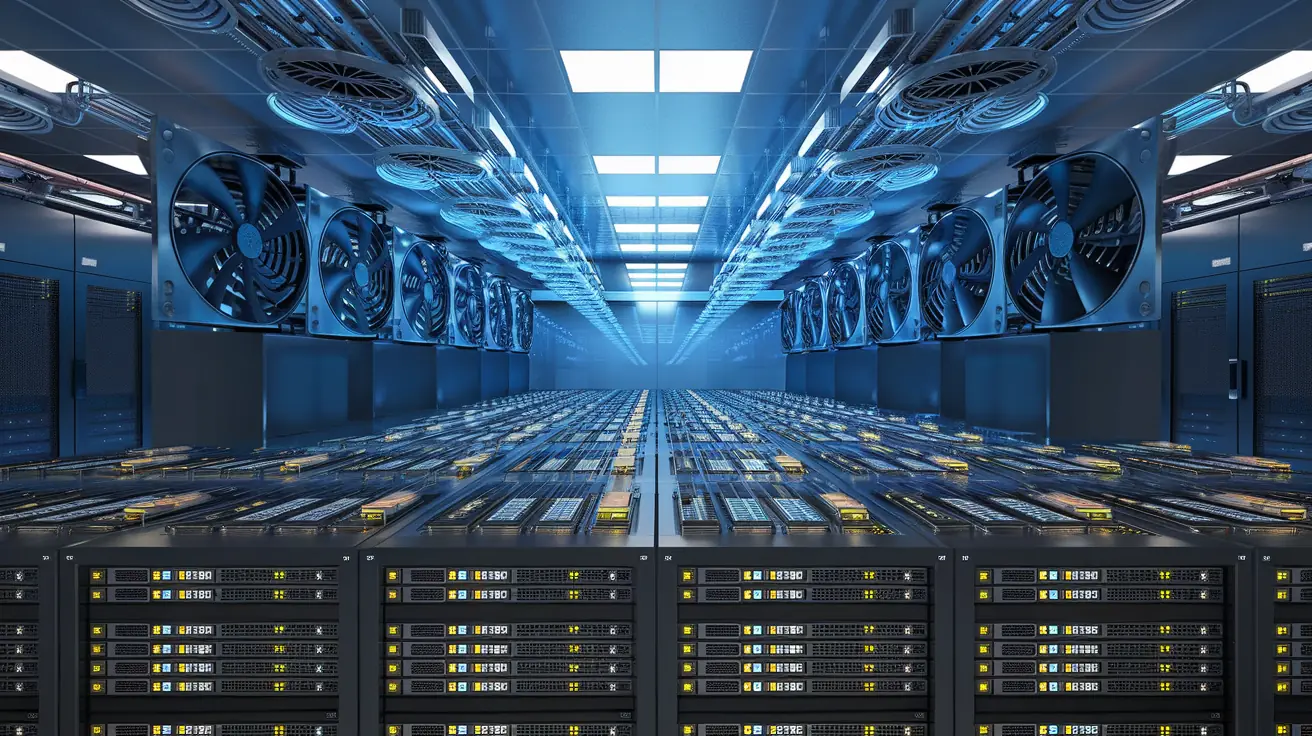
Power density: Traditional data center server racks use 5-15 kW. AI-optimized racks with GPU clusters demand 40-100+ kW per rack. A single AI data center can require 100+ MW—equivalent to powering a small city.
Cooling requirements: AI hardware generates intense heat requiring advanced cooling. Liquid cooling systems are becoming standard, and some facilities are exploring immersion cooling. These cooling systems themselves consume significant additional power.
Market impact: Tech companies are signing unprecedented power purchase agreements. Microsoft, Google, and Amazon are collectively seeking gigawatts of new generation capacity—outpacing utilities' ability to build new infrastructure.
How Data Centers Affected PJM Capacity Prices
Data center demand growth was a primary driver behind PJM's historic 833% capacity price increase for 2025-2026.
The math: PJM analysis attributed roughly 63% of the capacity price increase to data center load growth. When projected demand outpaces available supply, auction prices spike to incentivize new generation construction.
Why data centers hit differently:
• High load factor: Data centers run 24/7 at near-constant load, unlike seasonal residential demand
• Rapid growth: Demand appearing faster than new generation can be built
• Geographic concentration: Northern Virginia already faces transmission constraints
• Firm contracts: Data centers require highly reliable power, demanding premium firm capacity
Ripple effects: Higher capacity prices affect everyone in PJM—not just data centers. Residential and commercial customers in Ohio and Pennsylvania face higher bills because the grid must build more capacity to serve data center growth.
Data Center Impacts by Region
Data center development affects electricity markets differently across regions.
PJM (Ohio, Pennsylvania): Northern Virginia's data center concentration creates transmission constraints that affect the entire PJM footprint. New data center development is spreading to Ohio due to lower land costs and available power capacity. Columbus has emerged as a data center hub.
ERCOT (Texas): Texas has become a major data center market due to low electricity prices, available land, and business-friendly policies. However, ERCOT's isolated grid faces reliability challenges as data center demand grows faster than new generation. The 2021 winter storm exposed grid vulnerabilities that data center growth will test further.
ISO New England (Massachusetts): High electricity costs and limited land constrain data center development in New England. Boston hosts some financial services data centers, but major hyperscale facilities locate elsewhere. Massachusetts residential customers face less direct data center impact but still feel capacity cost pressures from regional growth.
How Utilities Are Responding
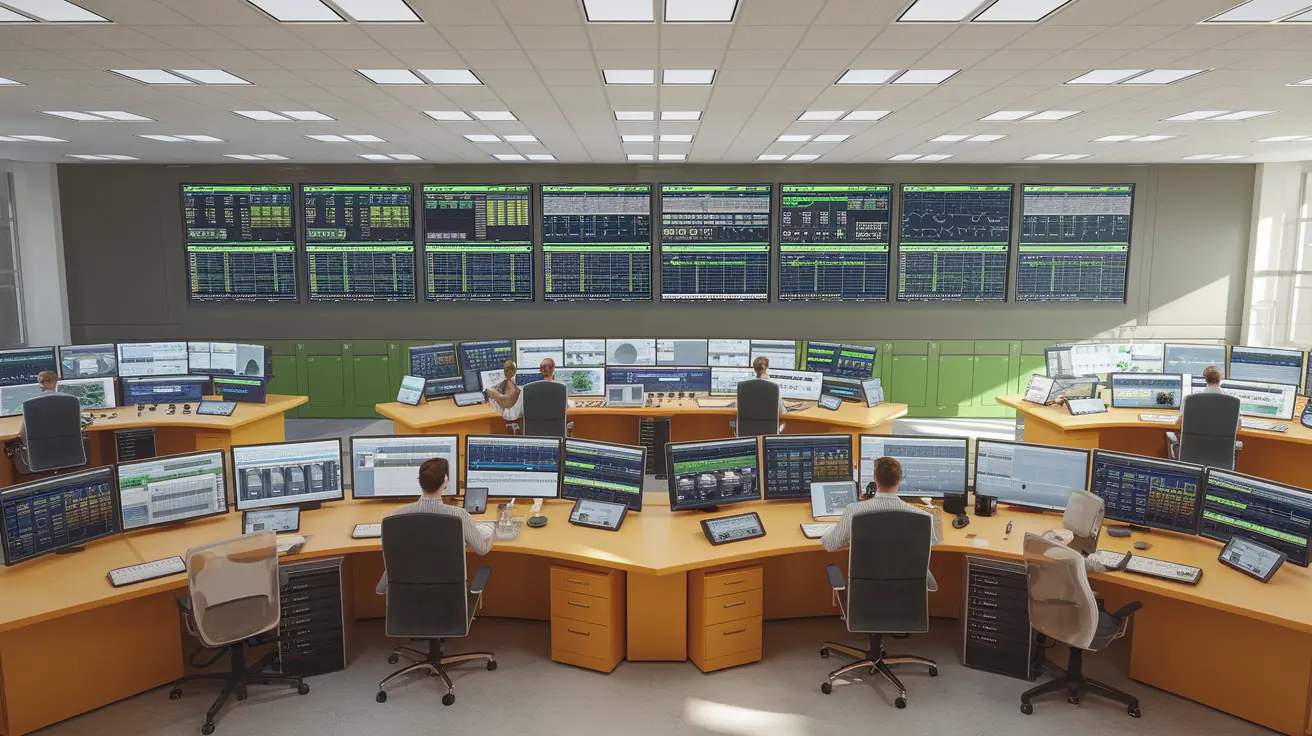
Utilities and grid operators are scrambling to accommodate data center demand growth.
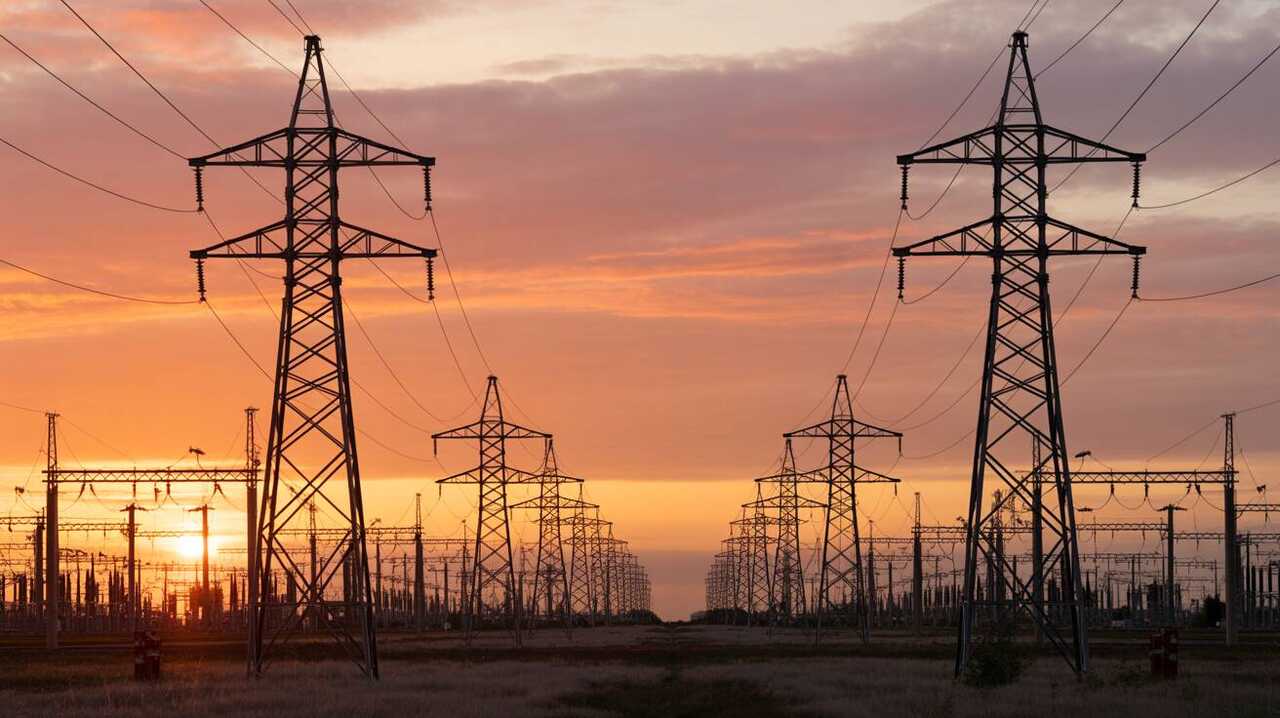
Transmission expansion: PJM has approved billions in transmission upgrades to relieve constraints. New high-voltage lines from generation sources to data center clusters are under construction, with completion timelines stretching to 2028+.
Generation construction: Natural gas plants remain the fastest to build (3-4 years), but face permitting challenges and decarbonization concerns. Utility-scale solar and wind are competitive on cost but require more land and transmission. Nuclear provides reliable baseload but takes 10+ years to build.
Demand response programs: Some utilities are piloting programs where data centers curtail non-critical load during grid emergencies. The 24/7 nature of data center operations limits flexibility, but thermal storage and workload shifting offer some potential.
Direct procurement: Tech companies are bypassing traditional utility procurement by signing direct power purchase agreements with generators. Microsoft, Google, and Amazon have committed to massive renewable energy purchases, though matching generation to actual consumption remains challenging.
What Data Centers Mean for Your Electric Bill
Data center demand growth affects your electricity costs through several mechanisms.
Capacity charges: Higher wholesale capacity prices flow through to retail rates. The PJM capacity price surge translates to roughly $8-12/month more for typical Ohio and Pennsylvania households starting June 2025.
Infrastructure costs: Transmission and distribution upgrades to serve data centers get recovered through delivery charges that all customers pay—regardless of supplier choice.
Energy market effects: Data centers' constant demand keeps more expensive generators running, potentially raising marginal energy prices. However, their demand also improves economics for baseload plants that might otherwise retire.
What you can do:
• Lock fixed-rate contracts before capacity cost increases hit (June 2025 for PJM)
• Consider longer contract terms if you expect continued price pressure
• Monitor market developments through ElectricRates.org rate tracking
• Compare suppliers actively—rate differences grow during market stress
Future Outlook: More Data Centers, Higher Prices?
The trajectory of data center demand suggests continued electricity market pressure.
Near-term (2025-2027): PJM capacity prices remain elevated until new generation comes online. Texas faces potential reliability challenges during extreme weather as data center load grows. Wholesale price volatility likely increases.
Medium-term (2028-2030): Major transmission projects complete, partially relieving constraints. New generation—primarily solar, wind, and natural gas—adds capacity. Whether supply keeps pace with demand depends on permitting speed and economic conditions.
Long-term uncertainties:
• Will AI efficiency improvements reduce per-computation power demand?
• Can grid storage smooth renewable generation to meet 24/7 data center loads?
• Will carbon pricing or clean energy mandates affect data center location decisions?
• How will quantum computing's eventual commercialization affect energy requirements?
Bottom line: Data centers aren't going away—digital demand only grows. Electricity markets will adapt, but the transition involves higher costs for all consumers. Shopping for competitive rates remains your best tool to manage these unavoidable market forces.
Frequently Asked Questions
How much electricity do data centers use?
Why do data centers affect my electricity bill?
Are data centers building their own power plants?
Looking for more? Explore all our Market Analysis guides for more helpful resources.
About the author

Consumer Advocate
Enri knows the regulations, the fine print, and the tricks some suppliers use. He's spent years learning how to spot hidden fees, misleading teaser rates, and contracts that sound good but cost more. His goal: help people avoid the traps and find plans that save money.
Compare rates in your area
Topics covered
Last updated: January 15, 2026