Quick Answer
Community solar provides 5-15% bill savings without rooftop installation. Massachusetts leads with 3.6+ GW capacity. Ohio community solar growing via SB 44. Pennsylvania projects expanding across PECO, PPL territories. Subscribers receive bill credits for their share of solar farm output. Compare community solar on ElectricRates.org.
What Is Community Solar?
You want solar but you rent. Or your roof faces north. Or your HOA said no. Community solar exists for exactly this situation.
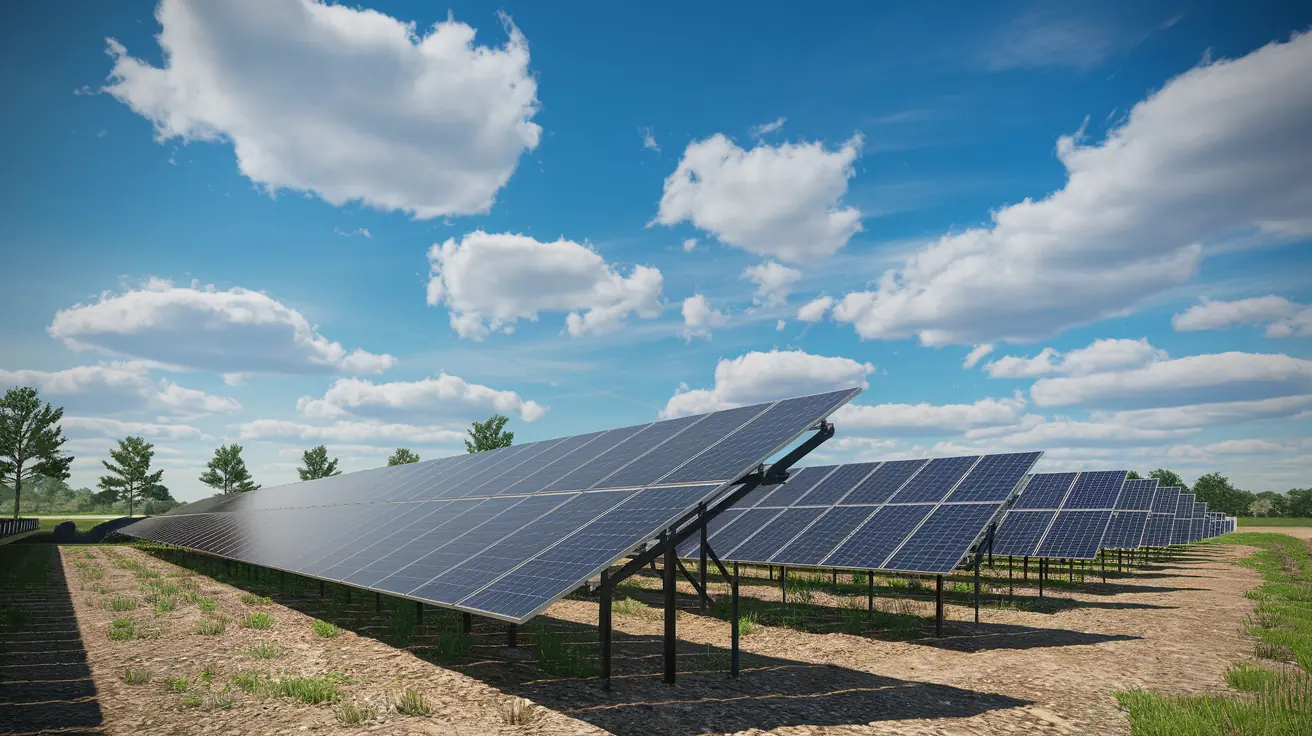
Instead of panels on your roof, you subscribe to a slice of a solar farm somewhere in your utility's territory. When that farm generates power, you get credits on your bill—usually 5-15% less than you'd pay otherwise. No installation, no maintenance, no $20,000 upfront.
How it actually works: The solar farm feeds electricity into the same grid you're already connected to. Your utility tracks your share of production and subtracts it from what you owe. You're not getting "solar electrons" delivered to your apartment—you're getting a discount backed by real solar generation. The accounting handles the rest.
Community Solar in Deregulated Markets
Community solar interacts with electricity choice differently in deregulated states. Understanding this relationship helps you maximize savings.
The supply/delivery split: In deregulated states, your bill has two components: supply (generation) and delivery. Community solar typically credits the supply portion of your bill. You can often combine community solar credits with a competitive supply rate.
Stacking savings: Some customers subscribe to community solar for their base load while choosing a competitive supplier for any additional consumption. This requires careful coordination—not all utilities and programs allow this combination.
Watch for exclusivity: Some community solar programs require you to stay on utility default supply. Others let you choose your own supplier. Read program terms carefully. The ability to stack community solar with competitive supply can add another 5-10% savings beyond either option alone.
Community Solar in Massachusetts
Massachusetts leads the nation in community solar development, with over 3.6 GW of capacity and growing rapidly.
Program structure: Massachusetts uses the SMART (Solar Massachusetts Renewable Target) program for community solar compensation. Subscribers receive bill credits at rates set by the program, typically providing 10-20% savings versus Eversource or National Grid Basic Service rates.
LMI incentives: Low-to-moderate income households receive enhanced benefits. If you qualify (income below 80% of area median), look for programs specifically targeting LMI subscribers—savings can exceed 20%.
How to subscribe: Multiple community solar providers operate in Massachusetts. Companies like Nexamp, BlueWave, and Clearway offer subscriptions in Eversource and National Grid territories. Most require no upfront cost—you simply start receiving bill credits once the solar farm becomes operational.
Community Solar in Ohio
Ohio's community solar market is developing following passage of SB 44 and subsequent regulatory developments.
Current status: Ohio permits community solar under specific conditions, though the market remains smaller than Massachusetts. Projects are active in AEP Ohio and FirstEnergy territories, with Duke Energy Ohio projects in development.
Regulatory framework: Ohio's PUCO oversees community solar programs. Virtual net metering allows subscribers to receive credits for solar production at off-site facilities. Credit rates vary by utility and program.
Combining with choice: Ohio's deregulated market allows community solar subscribers to potentially select competitive suppliers for their remaining load. Check specific program terms—some require staying on utility Standard Service Offer (SSO) for the credited portion of consumption.
Community Solar in Pennsylvania
Pennsylvania's community solar landscape continues expanding, particularly in PECO and PPL Electric territories.
Legislative background: Pennsylvania enables community solar through legislation allowing shared renewable energy projects. The state's AEPS (Alternative Energy Portfolio Standard) supports renewable development broadly.
Available programs: Community solar projects operate in multiple Pennsylvania utility territories. PECO customers have multiple subscription options, while PPL Electric and Duquesne Light territories are seeing new project announcements.
Typical terms: Pennsylvania community solar subscriptions generally offer 5-15% guaranteed savings versus utility default generation rates. Contracts typically run 12-25 years, though some shorter-term options exist. No upfront costs for most residential subscribers.
How to Evaluate Community Solar Programs
Not all community solar subscriptions deliver equal value. Here's what to compare.
Savings guarantee: Look for programs guaranteeing a specific percentage discount (e.g., "10% below utility rates"). Variable-rate programs can provide greater savings in some years but offer less predictability.
Contract length: Terms range from month-to-month to 25 years. Longer contracts may offer better rates but reduce flexibility. Consider your housing situation—renters might prefer shorter terms.
Credit mechanism: Understand how you receive value. Some programs provide direct bill credits from your utility. Others require paying the solar company separately and receiving a net discount. Direct bill credits are simpler and often more reliable.
Cancellation terms: Life circumstances change. Review what happens if you move, sell your home, or want to exit the program. Better programs allow transfer to new addresses within the same utility territory or reasonable cancellation without penalty.
Provider reputation: Community solar developers occasionally fail, leaving subscribers without promised savings. Research the developer's track record and project portfolio before committing.
Community Solar for Renters
Community solar removes the biggest barrier to solar adoption for renters: you don't need to own property or have landlord permission.
No rooftop required: The solar panels are at a separate location. Your apartment, condo, or rental house continues receiving electricity normally from the grid. Community solar simply adjusts how your bill gets calculated.
Portability: Many community solar programs allow you to transfer your subscription when you move—as long as you stay within the same utility territory. Check terms carefully; this portability varies by program and state.
No installation or maintenance: Since you're subscribing to output from a professionally managed solar farm, you have zero equipment responsibilities. No maintenance, no repairs, no insurance concerns.
Getting started: Search for community solar programs in your utility territory. Most require only basic information—name, address, utility account number, and sometimes a copy of a recent bill. Subscriptions typically begin within 1-2 billing cycles of approval.
Frequently Asked Questions
Can I do community solar if I rent?
How much does community solar cost upfront?
Can I combine community solar with a competitive electricity supplier?
Looking for more? Explore all our Green Energy guides for more helpful resources.
About the author

Consumer Advocate
Brad has analyzed thousands of electricity plans since 2009. He understands how electricity pricing works, why some "low" rates end up costing more, and what to look for in an Electricity Facts Label. He writes to help people make sense of a confusing market.
Compare rates in your area
Topics covered
Last updated: January 15, 2026