
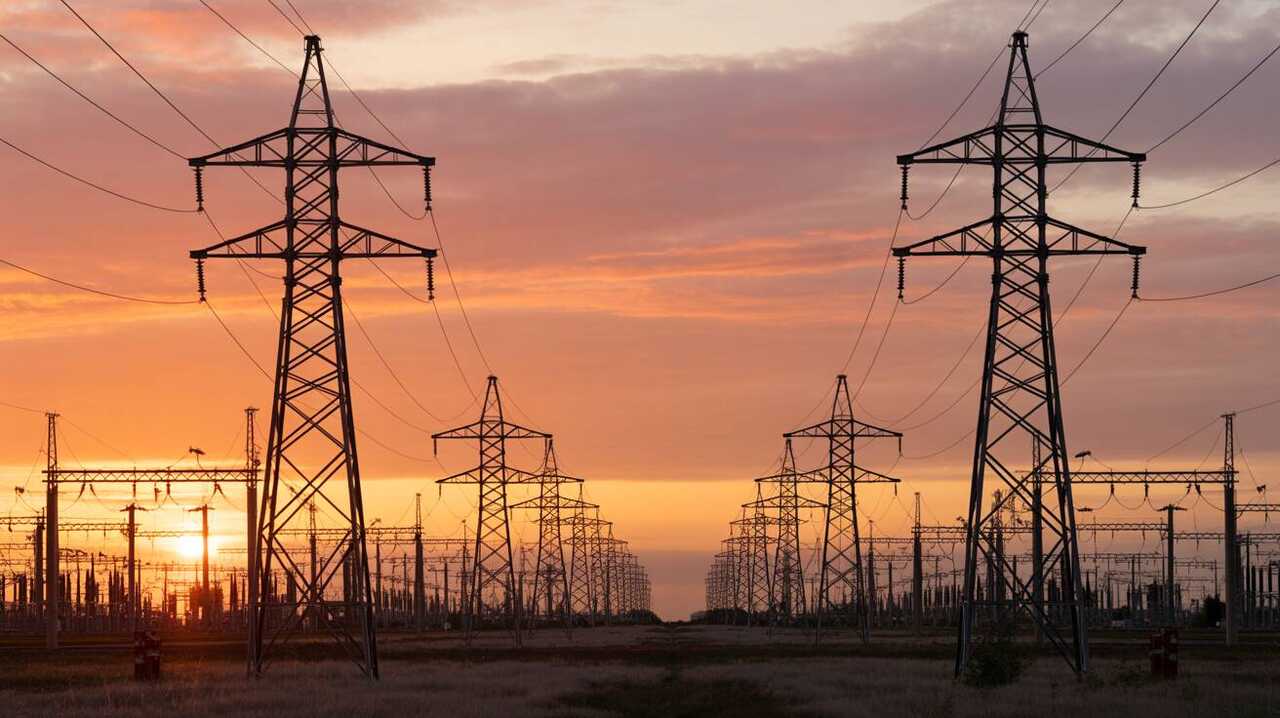
Electricity Price Increases in 2025 Overview
- 📈 Residential rates rising 15% to 25% compared to 2024 averages
- 💵 Multiple interconnected factors driving increases
- 🏠 Delivery charges affect all customers equally
- ⛽ Fuel costs
- 🔧 Infrastructure investments
- 📋 Regulatory changes
Natural Gas Prices Impact on Electricity Costs
- 🌍 Increased export demand
- ⬇️ Reduced production in some regions
- ❄️ Colder-than-average winter weather increasing heating demand
- ⚡ Natural gas plants often set the marginal price in wholesale electricity markets
- 💰 Higher gas prices translate directly into higher electricity costs
- 📊 Affects both utility default service AND competitive supplier offers
Grid Infrastructure Investments Raising Delivery Costs
- 🔧 Replacing aging equipment
- 🔌 Building new transmission lines
- 💻 Implementing smart grid technology
- 🌧️ Hardening infrastructure against severe weather
- 💵 Delivery charges increased 10% to 15% in 2025
- 📄 All customers pay these charges regardless of supplier choice
- 📈 Capital investments recovered through delivery charges
Clean Energy Transition Costs
- ☀️ Solar infrastructure
- 🌬️ Wind projects
- 🔋 Battery storage systems
- 📋 REC requirements in Massachusetts
- 📊 Growing portfolio standards in Ohio and Pennsylvania
- 🏭 Coal and older natural gas plant retirements reducing capacity
- 📈 Reduced generation capacity can increase wholesale prices during high-demand periods
- 💰 Compliance costs passed to customers
Increased Electricity Demand Driving Prices
- 📈 Economic activity recovery
- 🚗 Electric vehicle adoption
- 💻 Data center expansion
- 🏠 Work-from-home patterns persisting
- 🔌 Electrification of heating and transportation
- 🏭 Industrial and commercial growth pressures generation capacity
- 🌡️ Peak demand during extreme weather spikes wholesale prices
- ⛽ Power plants operate more frequently, increasing fuel consumption and maintenance costs
Regulatory Changes Affecting Rates
- 📋 Rate cases approved: Utility delivery charge increases to fund infrastructure and operational costs
- 🔄 Default service procurement process changes affect non-shopping customers
- ⚡ PJM capacity market reforms increased capacity charges (Ohio and Pennsylvania)
- 🌱 Environmental compliance requirements adding costs
- 💵 Suppliers must pay higher capacity charges and pass through to customers
- 🏭 Older generation facilities investing in pollution controls or retiring
Supply Chain and Equipment Cost Increases
- 🔌 Transformers
- 🔧 Power line components
- ⚡ Specialized electrical equipment
- 👷 Construction labor
- ⏱️ Extended lead times
- 💰 Higher prices than historical norms
- 📉 Supply chain pressures eased from 2022 peaks — but prices remain elevated
What Consumers Can Do About Rising Prices
- 💰 ElectricRates.org compares rates from all licensed suppliers in OH, PA, MA
- 📊 Customers find competitive rates
- ⏱️ Enter your ZIP code — see current offers in under 2 minutes
- 🔒 Lock in fixed rates during periods of relative price stability
- 💡 Energy efficiency improvements reduce usage and total costs
- ⏰ Time-of-use plans let you shift usage to cheaper off-peak hours
- 📋 Review your current rate to ensure you're not overpaying
Frequently Asked Questions
Will electricity prices continue rising in 2026?
Market forecasts suggest electricity prices will stabilize or see modest increases in 2026, depending largely on natural gas prices and weather patterns. Infrastructure investment costs will continue adding to delivery charges over several years. Shopping competitive supply markets and locking in fixed rates provides protection against potential future increases.
Why is my bill higher even though my rate stayed the same?
Several factors beyond your supply rate affect total electricity costs. Delivery charges from your utility have increased to fund infrastructure investments. Usage changes due to weather, new appliances, or lifestyle changes impact consumption. Taxes and regulatory fees may have increased. Review your bill breakdown to identify which components increased.
Are renewable energy plans more expensive right now?
Green energy plans involving renewable energy certificates add approximately 0.5 to 2 cents per kilowatt-hour compared to conventional plans. However, some renewable plans are competitively priced with standard offers depending on market conditions. Compare specific offers rather than assuming green plans cost more.
How do I know if my current rate is good compared to market prices?
Compare your current supply rate shown on your bill against offers at <a href="https://electricrates.org">ElectricRates.org</a>—enter your ZIP code to see current rates in under 2 minutes. Official tools like Ohio Apples to Apples and PAPowerSwitch also show current market rates. If your rate exceeds most listed offers, shopping for a new plan likely provides savings. ElectricRates.org customers find competitive rates.
Should I lock in a long-term fixed rate now?
Current market conditions favor locking in fixed rates if you find competitive offers, as rates may remain elevated or increase further. Longer-term contracts, 24 to 36 months, provide rate stability but reduce flexibility to capture future price decreases. Twelve-month contracts balance rate protection with flexibility to shop again relatively soon.
About the author
Consumer Advocate
Han joined ComparePower with years of experience building and scaling digital marketplaces. He brings that expertise to ElectricRates.org, focused on making energy shopping simpler for consumers in Ohio, Pennsylvania, and Massachusetts.
Topics covered
Sources & References
- EIA - Electricity Prices (U.S. Energy Information Administration): "EIA tracks and forecasts residential electricity prices and market factors"Accessed Jan 2025
- PJM - Markets & Operations (PJM Interconnection): "PJM provides data on capacity costs and wholesale market factors affecting retail prices"Accessed Jan 2025
Last updated: December 10, 2025